
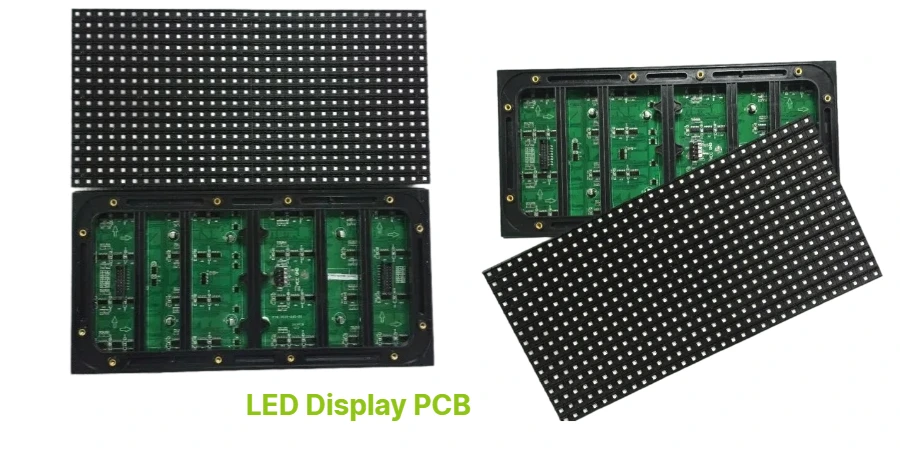
MCPCB substrates, thermal vias and controlled EMC ensure stable luminance and patient safety in clinical environments.
Common Questions
How is a medical LED PCB different from a standard lighting LED board?
Medical LED boards usually have tighter requirements for electrical safety, EMC, optical stability, and traceable manufacturing. They are often part of diagnostic, therapeutic, or surgical systems where reliability matters more than simple illumination efficiency.
Why is thermal design especially important in medical LED applications?
LED temperature directly affects brightness stability, wavelength behavior, and service life. In medical devices, excess heat can also influence enclosure safety, nearby sensors, and calibration consistency, so the thermal path has to be controlled from chip to housing.
What should be validated before releasing a medical LED PCB design?
At minimum, the team should verify thermal performance, EMC behavior, insulation or isolation requirements where applicable, and material compatibility with the intended cleaning or sterilization process. Those checks are what turn a workable prototype into a release-ready medical assembly.