
Bare-board fabrication
Define the board construction, material system, finish, controlled stack-up, and inspection expectations before release.
HilPCB provides bare-board manufacturing, SMT and through-hole assembly, sourcing models, box build, quality guidance, specialty PCB products, and engineering file tools. Use the map below to find the detailed page for your project. Feasibility and deliverables are confirmed against released files during quote review.
Prepare a PCB quote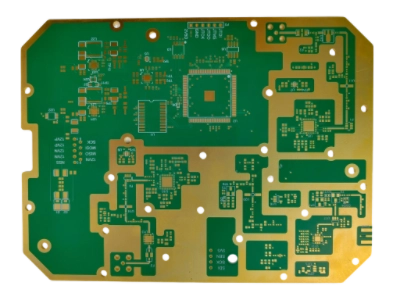
Match your project need to the page that owns the decision, then include the listed inputs in your RFQ.
| Capability area | Your project needs | Start with | Bring these inputs |
|---|---|---|---|
| PCB Manufacturing Capabilities | You need bare printed circuit boards and want to confirm construction, material, finish, or production scope. | Gerber or ODB++, drill data, fabrication drawing, stackup, material, copper, quantity, and inspection requirements. | |
| SMT Assembly Capabilities | Surface-mount placement and reflow are the main assembly route. | BOM with part numbers, CPL or pick-and-place data, assembly drawings, quantity, sourcing model, and test plan. | |
| Through-Hole & Mixed Assembly | The board combines SMT with connectors, terminals, relays, transformers, or other through-hole parts. | BOM, placement files, drawings, soldering or press-fit constraints, process sequence, quantity, and acceptance class. | |
| Turnkey PCB Assembly | You want the supplier to coordinate component sourcing with PCBA production. | BOM with manufacturer part numbers, AVL or approved alternates, consigned-part list, forecast, and sourcing restrictions. | |
| Box Build & System Integration | The deliverable extends beyond PCBA to enclosure, wiring, configuration, or a finished system. | Mechanical drawings, enclosure and harness BOM, firmware/configuration release, labeling, and system acceptance tests. | |
| Testing & Inspection | You need to define inspection coverage, electrical test, quality evidence, or release records. | Acceptance criteria, inspection/test method, coverage or sample plan, report format, traceability, and retention needs. | |
| Materials & Specialty PCBs | Your design depends on a particular electrical, thermal, mechanical, or material construction. | Use case, operating conditions, material or laminate preference, stackup, copper, dimensions, and electrical targets. | |
| Engineering Support & Tools | You need to inspect manufacturing files or prepare a design input before requesting a quote. | Current Gerber/ODB++ files or controlled stackup and impedance requirements; identify the revision and question to review. |
Use these five workstreams to move from a broad capability question to the right technical owner.
Define the board construction, material system, finish, controlled stack-up, and inspection expectations before release.
Choose SMT, through-hole, or mixed assembly from the component mix, soldering constraints, volume, and test needs.
Set the boundary between consigned, partial turnkey, turnkey, box build, and system integration before requesting a price.
Match inspection, electrical test, traceability, and release records to the failure modes and acceptance criteria of the project.
Review special electrical, thermal, mechanical, or file-preparation needs before the RFQ is released.
A clear RFQ makes supplier comparison easier. Resolve these scope questions before asking for a quote.
| Decision | Why it changes the quote | Include in the release |
|---|---|---|
| Bare board or assembled PCBA? | It changes the file package, process route, inspection plan, and commercial scope. | Gerber/ODB++ and fabrication data, or BOM/CPL and assembly documentation. |
| SMT, THT, or mixed assembly? | The component package, access, soldering method, and test coverage drive the process. | Component mix, placement data, drawings, soldering or press-fit constraints. |
| Who owns component sourcing? | Turnkey and consigned models assign shortage, substitution, and approval work differently. | Manufacturer part numbers, AVL, approved alternates, and customer-supplied parts. |
| What evidence is required at release? | Inspection and test records must be agreed before production if they are part of acceptance. | Acceptance class, test method, sample or coverage plan, traceability, and report format. |
RFQ
Send the current revision and identify what must be quoted, tested, documented, and delivered.
Start with PCB manufacturing for bare boards, PCB assembly for a general PCBA route, or the SMT, through-hole, turnkey, and box-build pages when that process is already known.
No. The linked owner page and quote review are the source of truth for the released design, material stack-up, inspection scope, and deliverables of a specific project.
Send the current revision, quantity, commercial model, required evidence, acceptance criteria, and the complete files for the selected fabrication or assembly route.
RFQ
Send the current revision and quantity together with the files for the selected process. State the sourcing model, acceptance requirements, tests, and records you expect. HilPCB can then review the actual build scope and confirm feasibility, quotation, and deliverables for that project.
Send the released project files and the decisions above. HilPCB can route the request to the right manufacturing, assembly, quality, or integration owner.
Request a PCB quote