
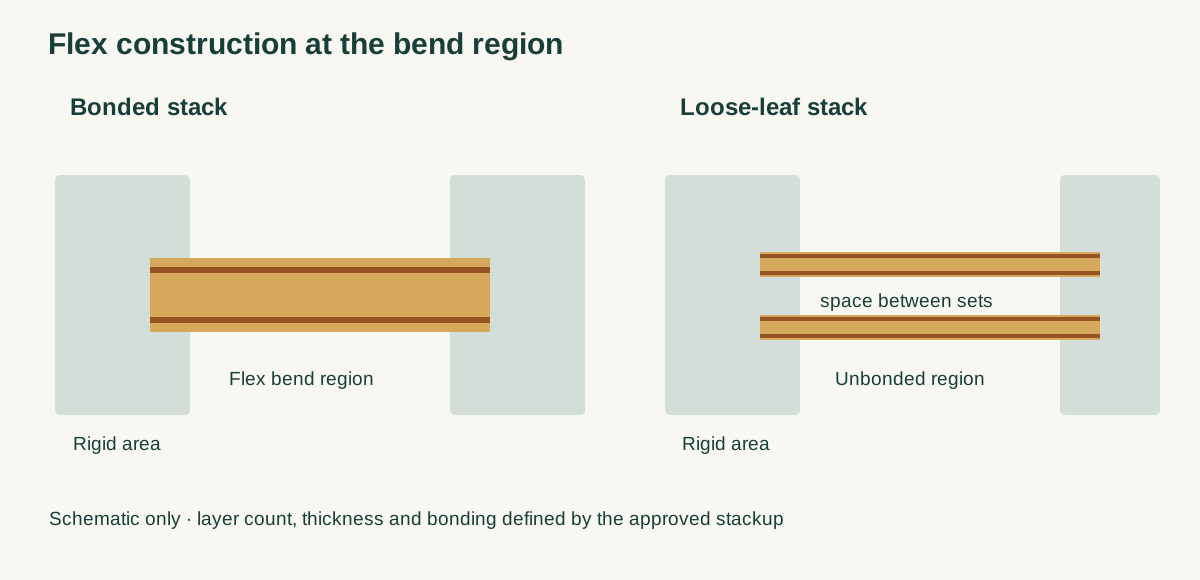
Rigid-Flex Air Gap Construction: Stackup and Bend Design
Air gaps let rigid-flex sub-stacks move separately through a bend. Compare loose-leaf and bookbinder designs, then specify geometry and verification.
Expert insights on PCB manufacturing, assembly excellence, and cutting-edge electronic technologies
Your trusted partner for professional PCB manufacturing and assembly solutions
Air gaps let rigid-flex sub-stacks move separately through a bend. Compare loose-leaf and bookbinder designs, then specify geometry and verification.
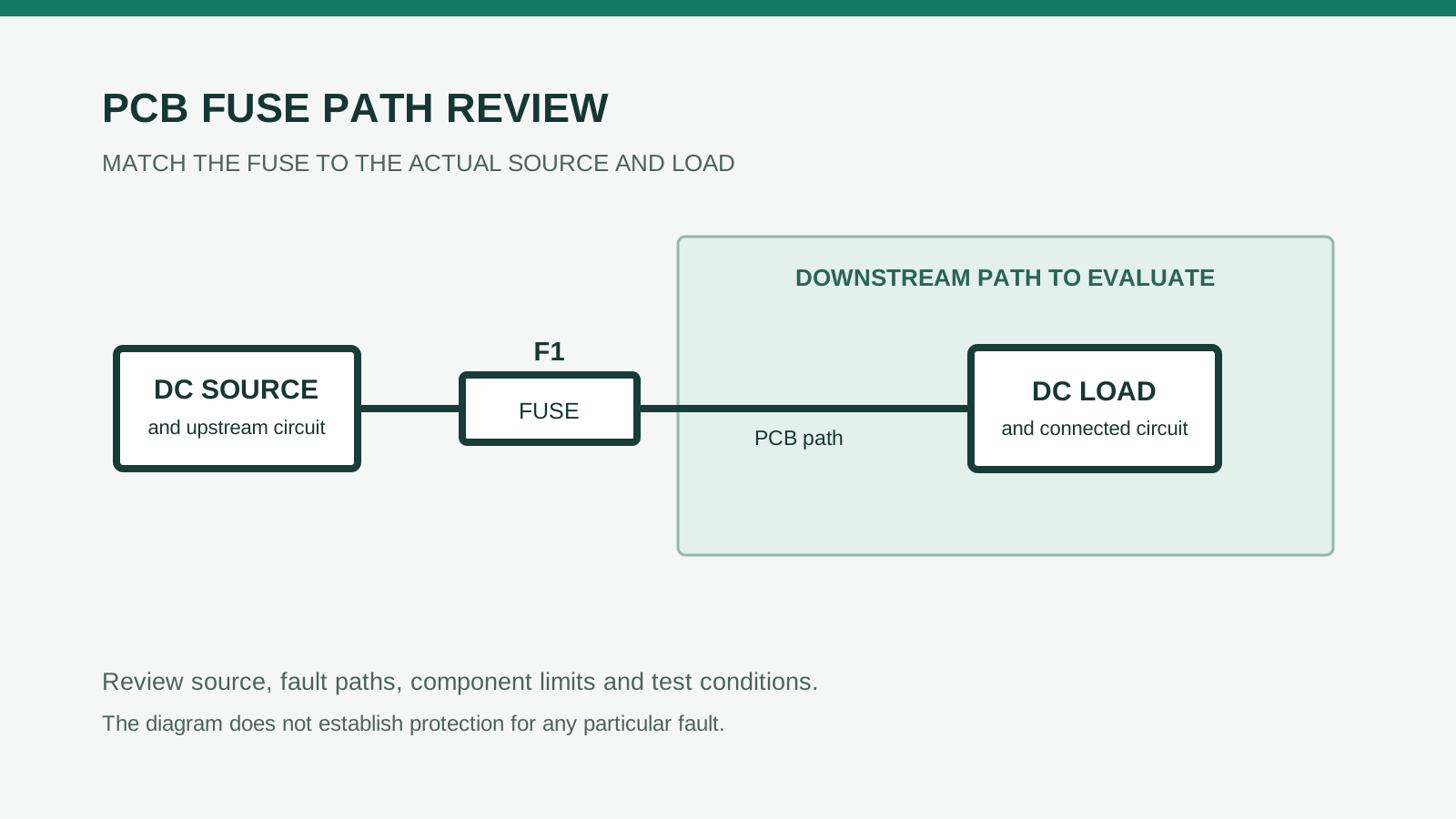
Select a PCB fuse by reviewing the protected path, fault and startup conditions, exact-part ratings, assembly requirements and replacement evidence.
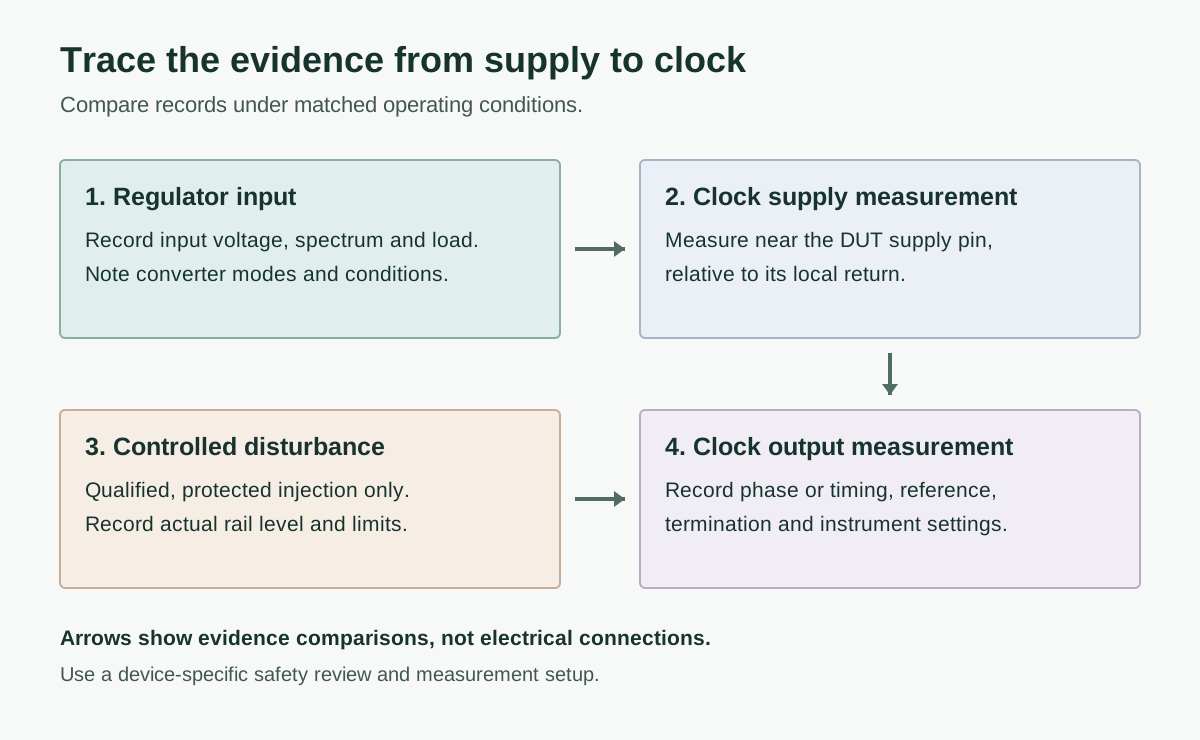
Diagnose clock supply noise with matched rail and clock measurements, frequency-dependent sensitivity, safe injection checks and a traceable validation plan.
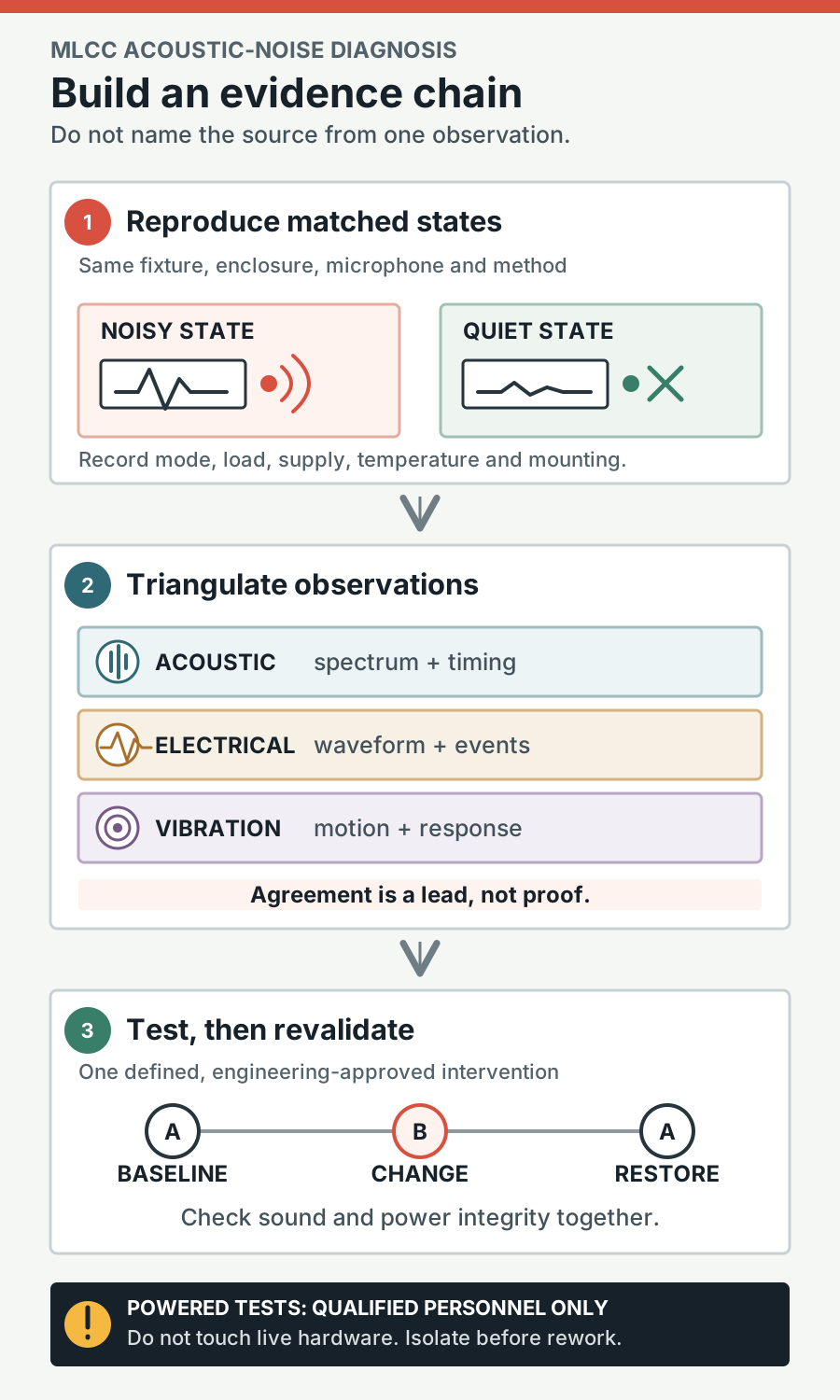
Diagnose MLCC singing by comparing operating states and testing an approved change; revalidate acoustic and electrical performance before final acceptance.
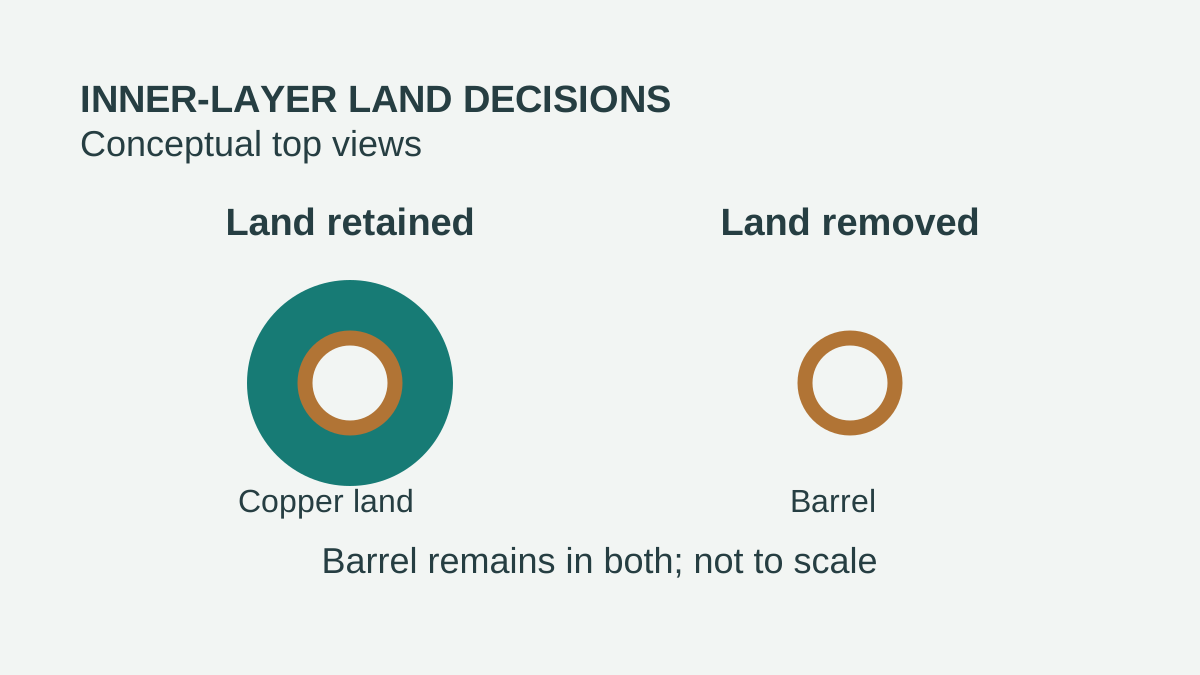
Record non-functional pad decisions by hole group and layer, then align geometry, evidence, approvals, and the released PCB manufacturing package.
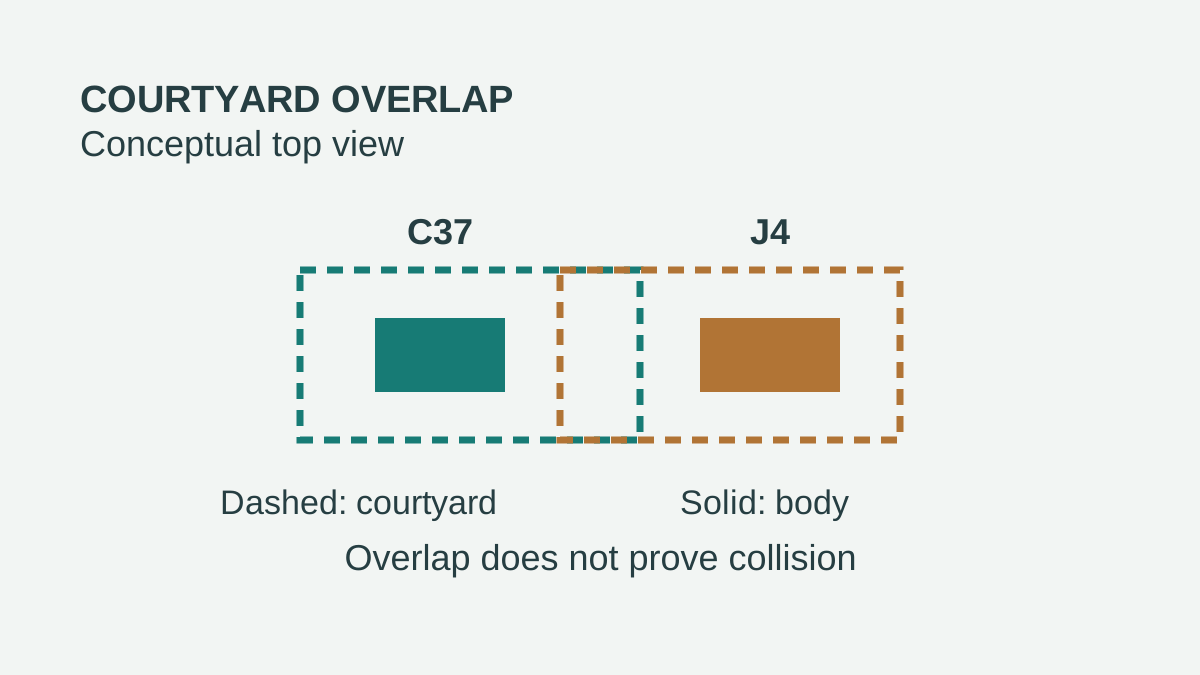
Review PCB courtyard flags with the incoming assembler, document scoped exceptions, and revalidate placement when the supplier or design changes.
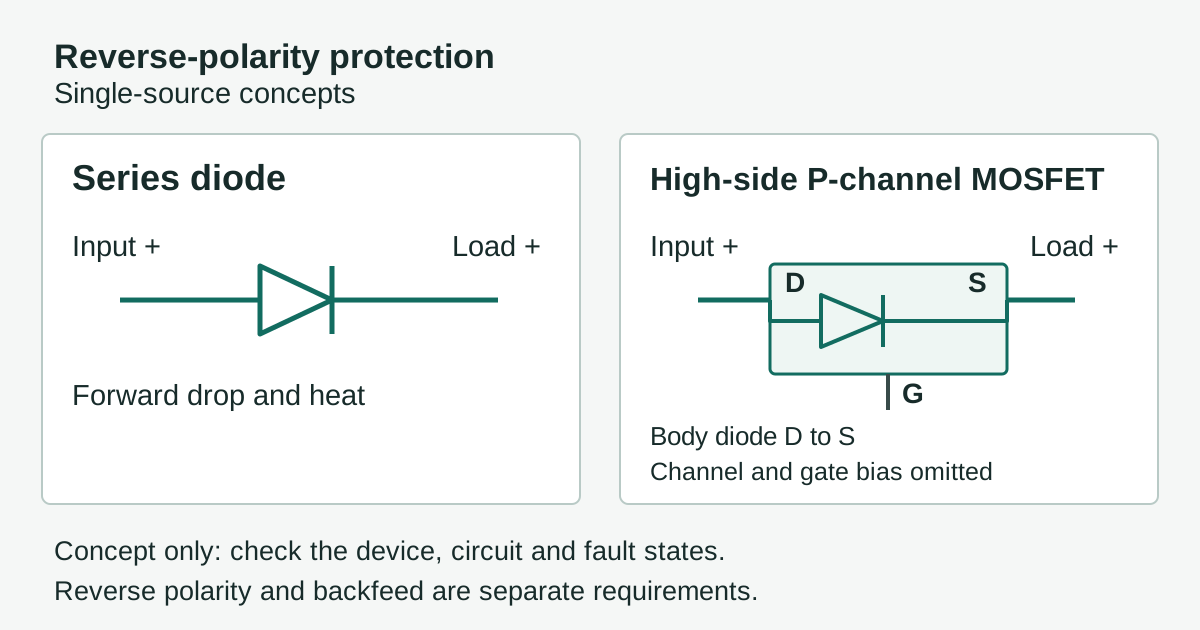
Compare diode and MOSFET reverse-polarity protection using voltage headroom, conduction loss, operating states and practical board-level verification evidence.

Read MOSFET symbol conventions and verify terminal mapping against the exact datasheet, library and PCB footprint before design and assembly release.
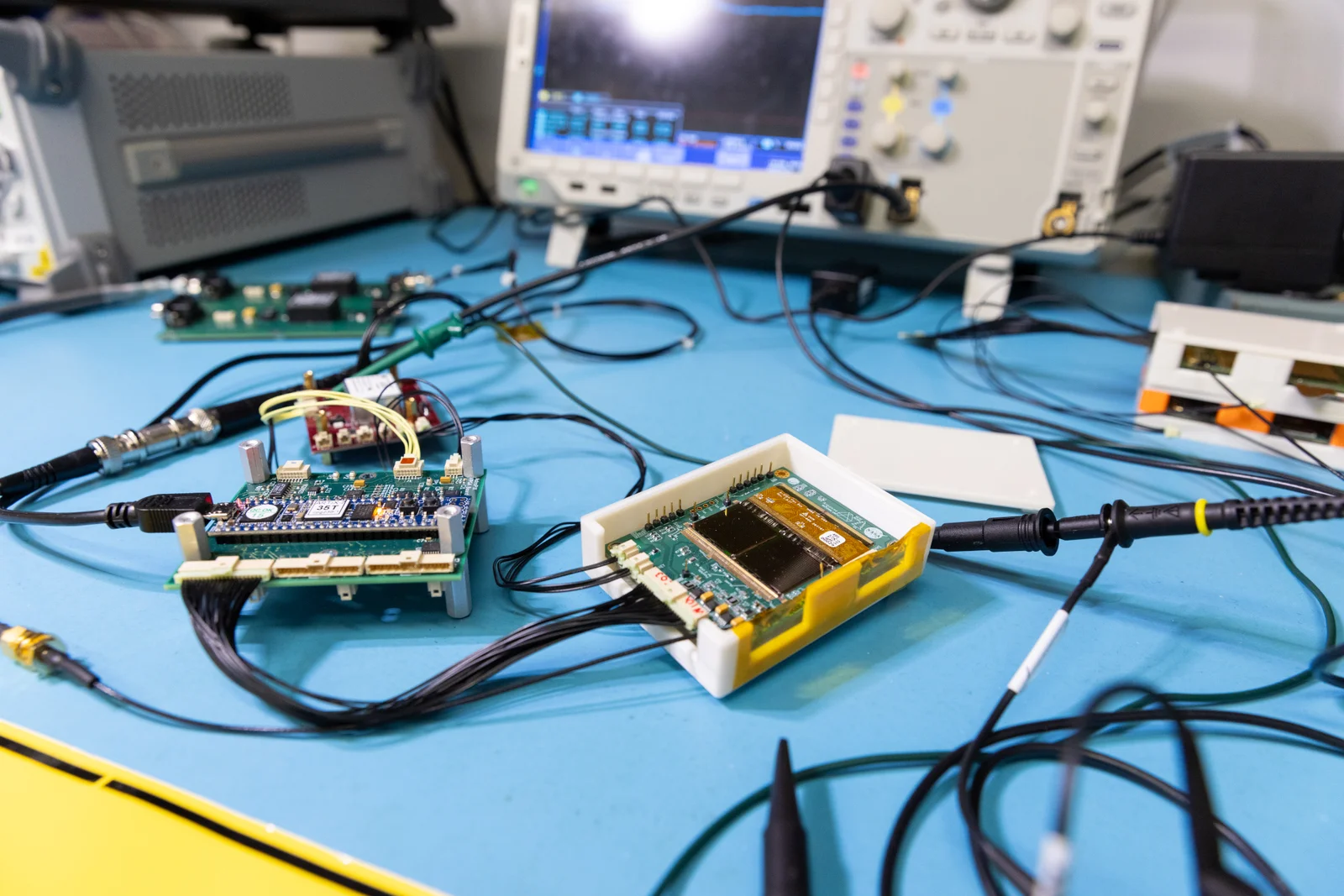
Define board-specific first-power expectations, record observations, and decide whether a PCB prototype is ready for its next approved test.
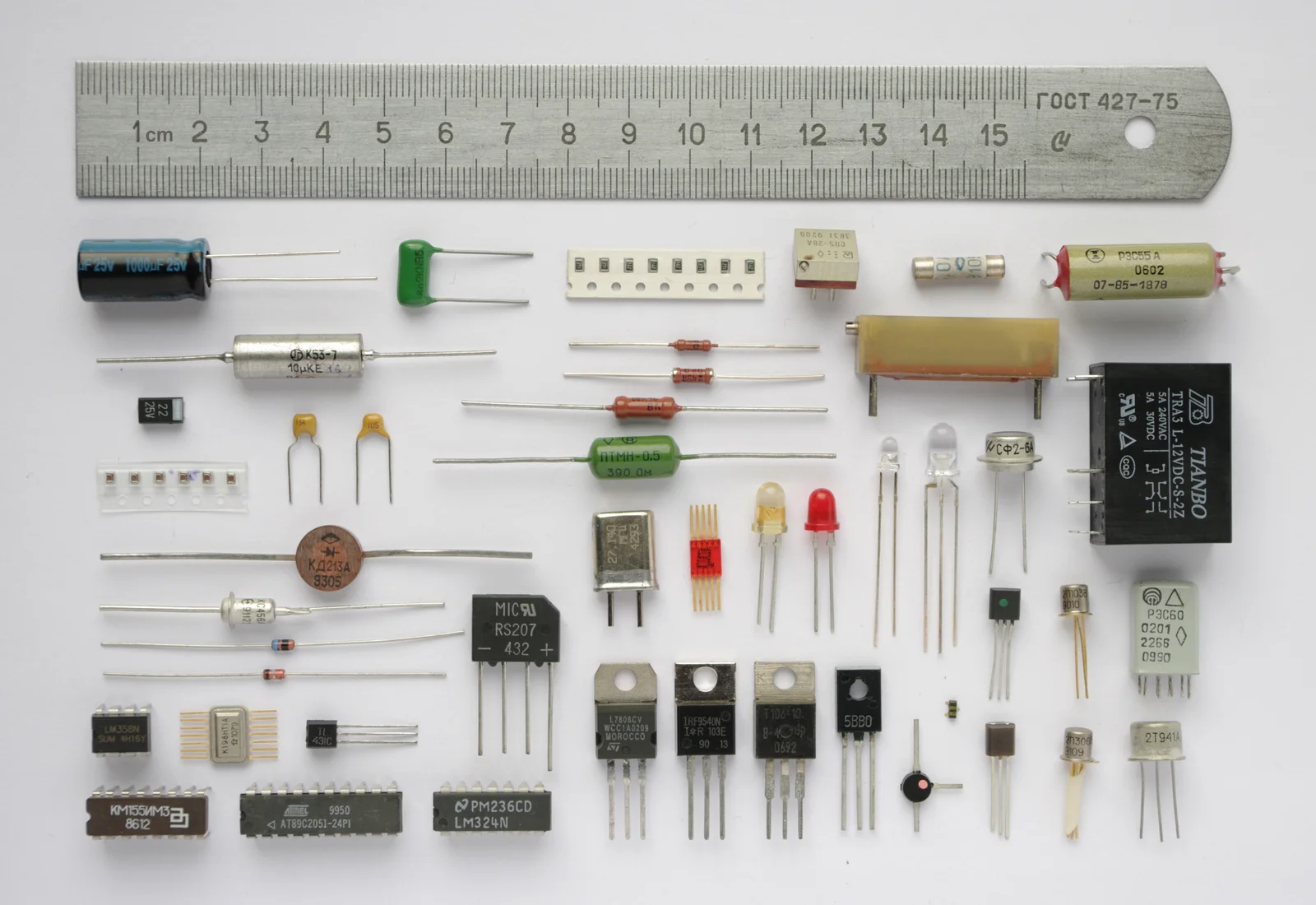
Respond to component EOL notices by verifying exact MPNs, planning time-phased supply and demand, and documenting qualification outcomes and product decisions.
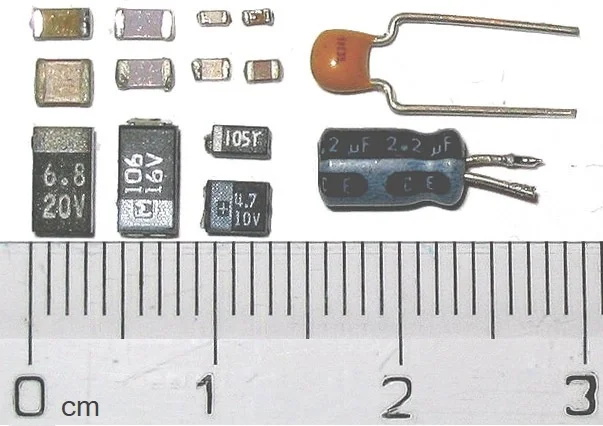
Evaluate exact-part operating capacitance evidence at the circuit’s DC bias and operating conditions, then compare it with the circuit’s capacitance requirements.
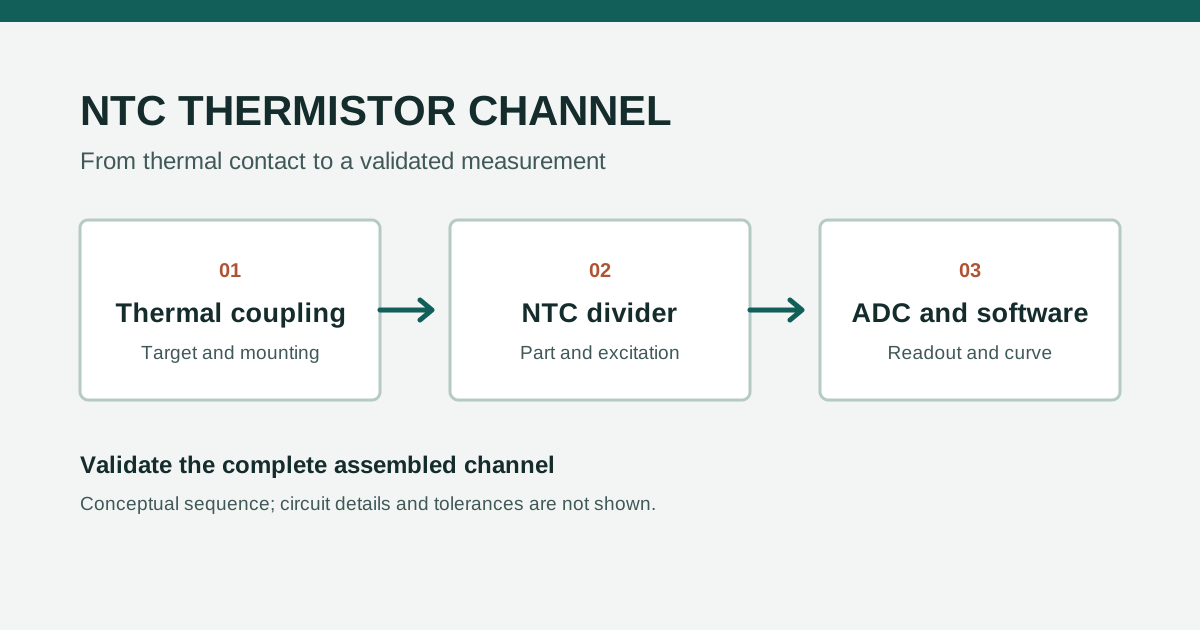
An NTC-low voltage divider converts thermistor resistance to a voltage, and validation checks the assembled thermal measurement channel and its response.