Potting for High-Speed PCBs: Signal Integrity, Heat and Testability
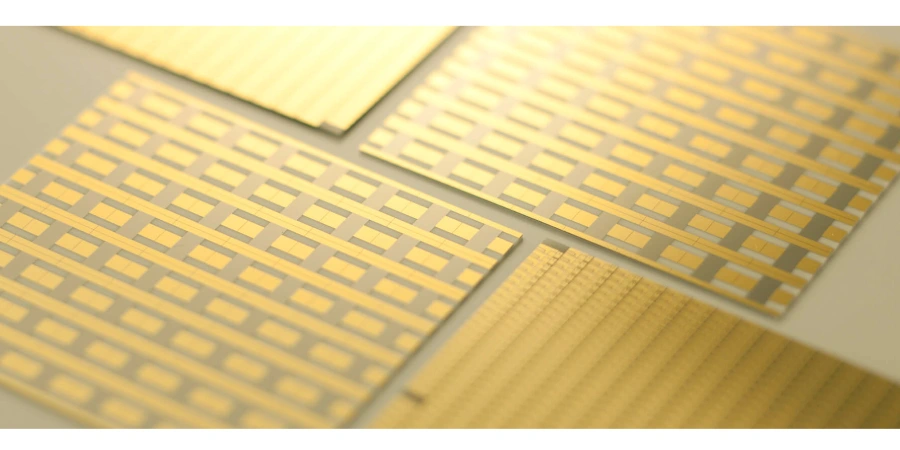
Potting high-speed PCBs changes dielectric loading, heat paths, mechanical stress and test access; qualify the cured compound and pre-/post-potting checks on the actual assembly.
Expert insights on PCB manufacturing, assembly excellence, and cutting-edge electronic technologies
Your trusted partner for professional PCB manufacturing and assembly solutions

Potting high-speed PCBs changes dielectric loading, heat paths, mechanical stress and test access; qualify the cured compound and pre-/post-potting checks on the actual assembly.

HILPCB provides Smart Scale PCB solutions for body composition, bioimpedance, and IoT health devices with precision sensing and reliable assembly.
Engineering guidance for multilayer server motherboards: controlled impedance, return paths, material loss, PDN, thermal design and PCB manufacturability.

Set-top box PCB guide for OTT, IPTV, cable, satellite, and hybrid products, covering interfaces, thermal control, secure provisioning, and RFQ evidence.

Aluminum nitride PCBs can reduce substrate thermal resistance. Grade, interfaces, metallization, and assembly conditions determine the benefit in power modules.
Learn how Anomaly Detection PCB designs improve data center server reliability through high-speed signal integrity, power integrity, thermal control, HDI routing, onboard sensors, and predictive maintenance technologies.

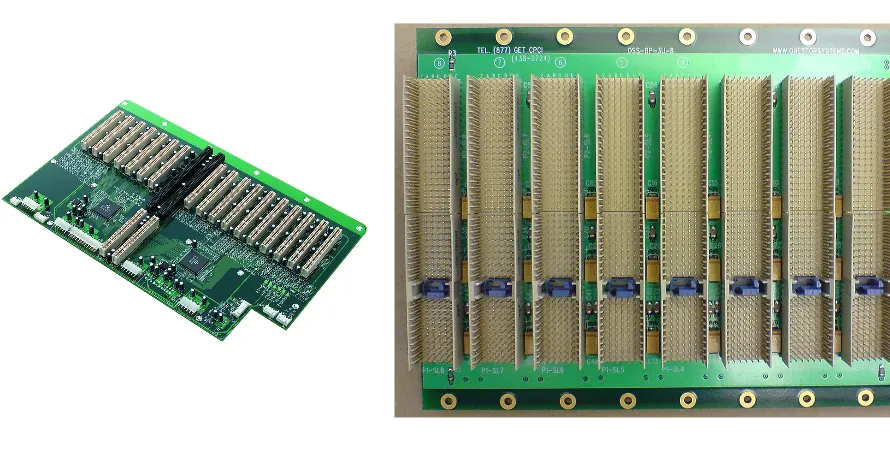
Plan a server backplane PCB with channel ownership, connector and press-fit controls, fabrication evidence, validation stages, and a practical RFQ checklist.

Smart lock PCB design coordinates authentication, radio links, motor drive and battery power with mechanical feedback, offline access and defined failure behavior.
Space computer PCB design assigns mission-specific radiation, thermal, materials and fault-tolerance requirements to components, board construction and verified manufacturing processes.

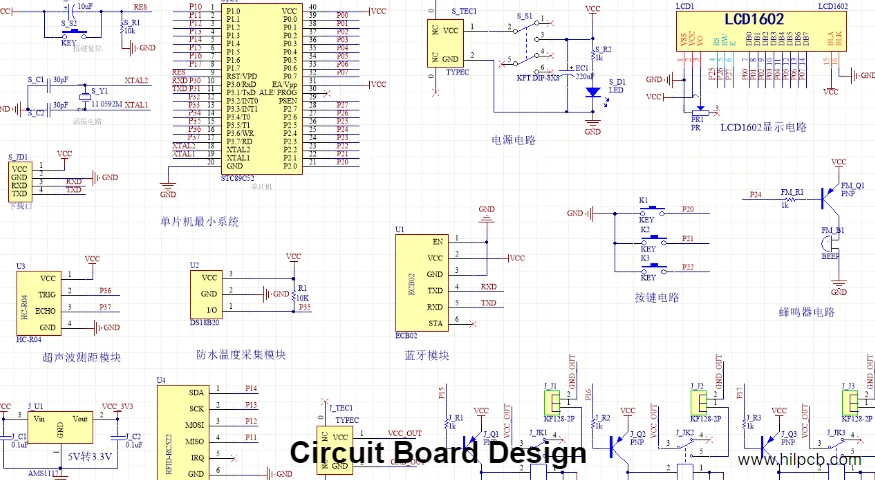
Complete PCB design and circuit board design guide: schematic capture, component placement, impedance routing, DFM rules, thermal management, and fabrication handoff.

Learn how to select a high thermal aluminum PCB supplier with advanced materials, precise manufacturing, and proven testing standards. Explore key performance metrics and supplier evaluation criteria.

Low-void BGA reflow controls joint porosity against package-specific acceptance criteria; channel validation, thermal-path measurements and reliability tests establish its effect on the assembled product.