

A useful PCB prototype answers a defined question: fit, circuit behavior, thermal performance, RF behavior, assembly readiness, or a production-process risk. Choose the construction, quantity, tests, and delivery route from that question. A fast bare board and a programmed, tested assembly have different readiness requirements.
For early experiments, compare breadboards and fabricated PCBs; a fabricated board becomes important when geometry, parasitics, connectors, heat paths, or packaging must represent the intended design. Record any prototype-to-production differences so the results can be interpreted correctly. Medical and automotive programs also need the applicable component, process, traceability, and validation requirements defined for their build stage.
HILPCB's prototype fabrication service offers eligible single- and double-layer FR-4 bare boards from 24 hours after review, plus reviewed multilayer and specialty routes. Optional PCB assembly, sourcing, programming, and defined tests extend the build to working prototypes. The approved revision and findings can then feed production planning.
Complete PCB Prototyping Capabilities
As a PCB manufacturer, HILPCB reviews prototype construction, materials, quantity, acceptance, and schedule together. Eligible orders can use priority production slots, parallel design variants, controlled revisions and easy iteration; the standard setup fee is waived on qualifying prototype jobs. Published advanced features are not automatically combinable with the fastest delivery option, and the quotation confirms eligibility.
Quick Turn Timelines:
- Eligible 2–4-layer FR-4 bare-board prototypes: 24-hour expedite after complete-file, material, and capacity review, subject to available production capacity.
- Reviewed builds up to 8 layers, including eligible basic HDI: 48-hour options are available after stackup, finish, complete files, material, tooling and capacity review. Complex multilayer and specialty-material builds may be scheduled in 72 hours after feasibility and capacity confirmation.
- 5-7 day advanced prototyping: rigid-flex, high layer count, Rogers materials
- 8+ layers, HDI, rigid-flex, RF, ceramic, or other specialty builds: confirm material, processing, tooling, and schedule in the quotation
- Quick-turn assembly: 24–48-hour options are available when required components are in stock and the stencil, placement/programming, inspection, fixtures, and test readiness are confirmed; assembly is scheduled separately from bare-board fabrication.
Prototype Quantity Planning: These are example build allocations, not fixed qualification sample sizes or a minimum for every technology. The prototype service accepts single boards; panel utilization, material minimums, spares, destructive samples, and assembly needs affect the quoted quantity.
- Ultra-low volume: for example, 1–5 boards for initial fit and bring-up. For mechanical keyboard circuit board prototyping, key specifications include switch footprint compatibility, matrix dimensions, and hot-swap socket pad design
- Low-volume prototyping: for example, 5–20 boards for team distribution and defined tests
- Pre-production: for example, 20–50 boards to investigate assembly and test repeatability
- Pilot run: an example 50–200-board allocation, with the actual sample and process-validation plan set by product risk and required evidence
Technology Capabilities:
- Rigid FR-4: single/double-layer options and the separate multilayer route, with 4–12 standard layers and reviewed builds up to 64
- HDI: laser microvias and reviewed build-up structures where package escape or density requires them
- Flex: 1–4 standard layers, reviewed up to 8, with material, bend, coverlay, and support requirements
- Rigid-flex: reviewed rigid/flex constructions for a defined package and interconnect
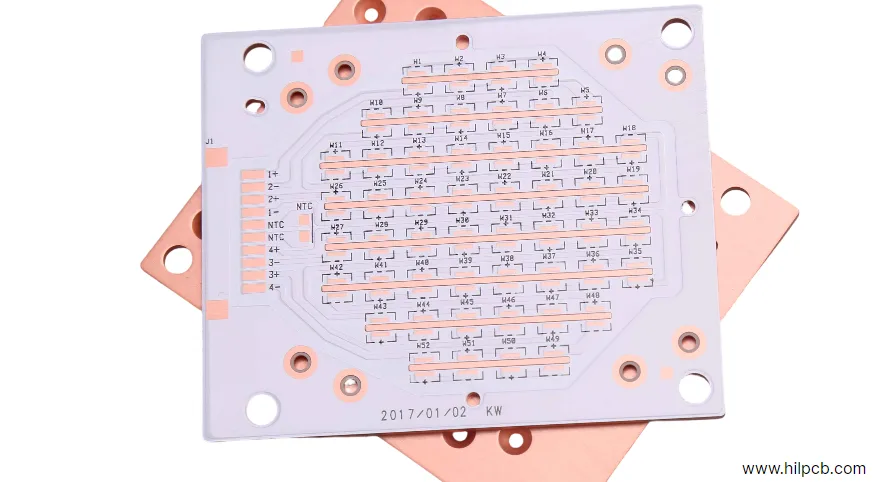
- Metal core: aluminum or reviewed copper-core routes for defined thermal and insulation requirements
- RF: approved Rogers, Taconic, Arlon, or other specified grades subject to construction and availability review
- Online circuit simulation: an early circuit aid; physical layout, thermal behavior, assembly, and actual interfaces still need their applicable checks
Precision and Construction Review:
- Layer count and lamination sequence depend on the released construction; a layer count does not specify the number of lamination cycles
- HDI trace/space: 75/75µm standard, 50/50µm advanced on eligible constructions
- Via options: through-hole, blind, buried, or laser microvias with the spans and acceptance defined
- Materials: FR-4, reviewed RF, polyimide, metal-core, and ceramic routes with exact grade and substitution rules
- Surface finish: ENIG, immersion silver, OSP, or HASL where compatible with the selected construction, soldering, contacts, and RF requirements
Fast PCB Prototype Manufacturing Process
A fabrication route starts from released data. Expediting changes scheduling; it should preserve the agreed construction and acceptance requirements.
Expedited Design Processing:
- DFM/data review: reconcile outline, drills, stackup, copper, finish, impedance, panelization, and revision before release
- DFM analysis: automated checking within hours of file upload
- Engineering review: identifies potential issues before fabrication
- Material availability check: confirms stock or fast-track procurement
- Production scheduling: confirm the expedite route and capacity after engineering and material readiness
Accelerated Fabrication:
- Panel optimization: maximizes prototype efficiency
- Priority processing: use the accepted expedite schedule without skipping required process or acceptance stages
- Progress tracking: identify open issues and communicate changes affecting the agreed schedule
- Quality verification: the prototype bare-board service includes electrical test and inspection; define any additional coupon, section, or report requirements
Rush Assembly Services:
- Component sourcing: expedited procurement from authorized distributors including Arrow, Avnet, Digi-Key, Mouser, TTI, subject to current part availability and customer sourcing restrictions; reviewed alternates can be proposed for customer approval
- SMT assembly: 0201 and 0.4 mm pitch are standard placement capabilities; 01005/008004 and finer BGA/CSP require package-specific review
- Assembly timing depends on BOM availability, stencil/fixture readiness and inspection requirements
- Inspection/test: agree SPI/AOI, selected hidden-joint X-ray, programming, accessible electrical tests, and FCT with their coverage and limits. HILPCB can also scope BGA rework, prototype debug and calibration using the specified fixture, measurement method and acceptance limits.
Flexible Iteration Support:
- Controlled design changes: issue a new revision and change list between builds; changes after release may affect cost, material, and timing
- Version control: tracks design iterations and changes
- Parallel variants: identify each version and its material/quantity/test requirements so builds and results remain distinguishable
- Engineering consultation: technical support for optimization
Our integrated PCB Services approach streamlines the entire prototyping workflow from initial design review through final testing and delivery.
Advanced Prototype Technologies
Use the appropriate manufacturing route for the risk the prototype must assess. A specialty build may need more preparation than an eligible FR-4 expedite.
HDI PCB Prototyping:
- Laser drilling: 0.10 mm standard and reviewed 0.05 mm advanced HDI laser-hole options, with the actual stack and via design confirmed
- Build-up structures: specify stacked or staggered spans, capture pads, lamination sequence, and required reliability evidence; any-layer is an advanced route
- Fine-line imaging: 50/50µm advanced geometry is reviewed with finished copper, registration, mask, and assembly access
- Applications: smartphone, wearable, miniaturized medical devices
Rigid-Flex PCB Prototyping:
- Sequential lamination: bonds rigid and flex sections
- Multiple flex zones: supports complex 3D packaging
- Stiffener placement: validates mechanical design
- Dynamic flex testing: an available advanced route with agreed motion, support, sample, and acceptance requirements
- Applications: aerospace interconnect development, medical equipment including implantable-device interconnect research, and compact consumer packaging; each program defines its specific qualification scope
Rogers & RF PCB Prototyping:
- Material options: RO4003C, RO4350B, RT/duroid, Taconic, Arlon
- Impedance control: ±5% coupons on approved RF constructions with target, stackup, coupon, and acceptance method defined
- Mixed dielectrics: reviewed Rogers/FR-4 constructions where benefits justify bonding, registration, sourcing, and qualification complexity
- RF testing: selected VNA/S-parameter and TDR options when band, ports, fixture, calibration and limits are defined; qualified routes include ±3 Ω impedance tolerance for eligible controlled-impedance builds, with target, method and acceptance stated in the order
- Applications: 5G, radar, satellite, automotive RF systems
Metal Core Prototyping:
- Aluminum core: reviewed 5052/6061 routes; identify the dielectric grade, thickness, thermal data, and circuit-to-core insulation requirements
- Copper core: a reviewed construction; core conductivity alone does not describe the dielectric, interfaces, or complete assembly heat path
- Thermal features: define the actual core and via construction, electrical isolation, interfaces, and thermal test conditions
- Applications: LED prototypes, power electronics validation

Turnkey PCB Prototyping Services
A manufacturing partner can combine the agreed fabrication, sourcing, assembly, and test scope. Quote the complete build rather than assuming all tests and tooling are included.
Full Turnkey Prototyping:
- PCB fabrication: the approved compatible construction and material
- Component sourcing: procurement from authorized distributors
- SMT/through-hole assembly: complete component placement
- Testing and programming: firmware loading and the agreed electrical or functional checks
- Single point of contact: simplifies coordination
Component Sourcing for Prototypes:
- Approved sourcing: the turnkey route lists franchised channels such as DigiKey, Mouser, and Arrow; define authorized-only or other sourcing rules on the BOM
- Fast procurement: uses stock availability for quick delivery
- Small quantity handling: sources low-MOQ components for prototypes
- Alternates: review availability and propose options for approval before a substitution enters the build
- Provenance controls: agree supplier evidence, incoming checks, lot linkage, and exceptions for component risk
Assembly & Testing Services:
- SMT package/pitch: review land pattern, stencil, support, profile, inspection, and rework access for the actual population
- Through-hole: selective soldering for mixed technology boards
- BGA rework: define permitted packages, thermal-exposure limits, inspection, and retest before repair
- Functional testing: define power sequence, firmware, loads, measured responses, limits, and any product-calibration procedure
- Debug handoff: retain first-fail logs and distinguish fixture/program issues from board faults; agree the investigation and rework scope
Consignment Prototyping:
- Customer-provided components: you supply parts, we assemble
- Inventory management: tracks customer-supplied materials
- Kitting verification: ensures complete component sets
- Best for: proprietary components, existing inventory, cost visibility
Prototype-to-Production Transition
A production-intent prototype uses the intended construction and a controlled route wherever practical. HILPCB can maintain process continuity into production, reserve capacity and coordinate launch supply for approved programs, with material lots, tooling, sourcing and schedule recorded against the released revision. Capture differences and open issues with the design and manufacturing review, then decide which need a revised build or pilot verification.
Production-Intent Prototyping:
- Process route: record the actual equipment/process assumptions and changes needed for volume
- Materials: retain approved grades and substitutions with the relevant test evidence
- Testing: preserve applicable methods, fixture/program revision, limits, and records when transferring the build
- Representativeness: assess sample size, construction differences, process variation, and remaining qualification needs before using prototype results for volume decisions
Design Validation Support:
- DFM analysis: identifies manufacturing issues early
- Design optimization: recommends improvements for yield and cost
- Material selection: consultation on optimal substrates
- Testability review: identify required access, fixtures, firmware, limits, and remaining coverage gaps
Pre-Production Builds:
- Pilot runs: choose quantity and acceptance from the process questions, expected variation, and required evidence, rather than a universal 50–200-board rule
- Process documentation: develops manufacturing work instructions
- Tooling development: creates test fixtures and assembly aids
- Yield analysis: identifies and resolves systematic issues
Scalability Planning:
- Volume pricing: provides production cost estimates
- Lead time projections: forecasts production schedules
- Capacity planning: confirm available production slots against forecast and release readiness
- Supply chain: establishes component sourcing for volume
Choose the Build and Prepare the Quote
HILPCB combines eligible quick-turn bare-board fabrication with reviewed specialty constructions, small-batch assembly, and turnkey sourcing. The small-batch route publishes 5–10 working days standard and 3–5 expedited for suitable jobs; materials, assembly/test readiness, quantity, and order conditions determine the confirmed schedule. Specialty fabrication and a populated prototype are quoted on their actual routes.
Quantity and cost planning:
- Single-board orders are accepted by the prototype fabrication service; material minimums, panels, and assembly allowances affect the economic quantity
- Separate fabrication, stencil/tooling, programming, fixtures, sourcing, assembly, tests, and required reports in the quote; do not assume setup is free
- Keep design variants and iterations under distinct released revisions and record their differences
- Compare cost per useful test or accepted build, including spares, destructive samples, and the consequences of an unrepresentative shortcut
Engineering and production handoff:
- State what the prototype must prove and provide the expected production outline, stackup, material, copper, finish, and via construction
- Send Gerber/ODB++, drill and drawings; add BOM/AVL/CPL, assembly details, consigned-part ownership, firmware, fixtures, loads, and numerical limits where applicable
- Define first-article, coupon, electrical/functional, inspection, and lot/revision records needed to interpret results
- Carry approved data, substitutions, process findings, and test configuration into the pilot and volume plan; assess later changes before reusing earlier evidence
Our PCB services can connect that released package to fabrication, assembly, and repeat supply. Include quantity, build stage, target delivery, and test readiness in the inquiry so the quotation can confirm the compatible route, delivery conditions, and record package.
Common Questions
What's the fastest PCB prototyping turnaround available?
The bare-board prototype service offers 24-hour expedite for eligible single/double-layer FR-4 after review, with 48–72-hour options for reviewed multilayers. Specialty builds and assembled boards need their own confirmed schedule. File, material, capacity, sourcing, fixture, and test readiness all matter.
What's the minimum order quantity for PCB prototyping?
The bare-board service accepts single boards. Choose quantity from bring-up units, parallel tests, spares, destructive samples, and pilot evidence. Ask how panel utilization, material minimums, component allowances, and setup affect the quoted price.
Can prototypes use the same processes and materials as production?
They can use an approved production-intent construction and route, but identify any actual differences. A successful prototype is useful evidence; sample size, process variation, changed materials, tooling, assembly, or tests may require further pilot work before volume release.
What is inexpensive pcb prototyping?
Inexpensive pcb prototyping means lowering prototype cost without breaking intent: panelizing small boards, using standard stackups and finishes, relaxing layer counts where the design allows, and choosing shared tooling options. Price should never trade away impedance coupons or electrical test when the design depends on them.
What is PCB prototyping?
PCB prototyping is a small-run fabrication or assembly build used to evaluate a defined design or manufacturing question before the next release. A proof-of-concept board, first article and production-intent pilot have different aims. State the configuration, required evidence and acceptance criteria, including any automotive or high-speed validation scope.