
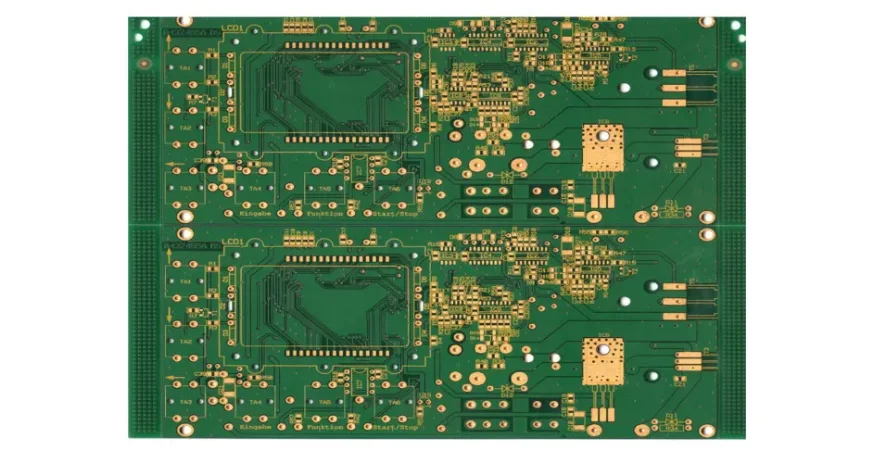
Quickturn PCB fabrication starts with a released design and an eligible manufacturing route. HilPCB’s prototype service offers 24-hour expedite for eligible single/double-layer FR-4 bare boards after file, material and capacity review. Typical 4–6-layer prototypes take 48–72 hours; 8+ layers, special materials and fine geometry receive a confirmed quotation schedule.
For an urgent build, separate bare-board fabrication from assembly, test and transport. A fast dispatch can help a bench-test milestone, while an assembled pilot needs component availability, stencil/setup, programming and functional-test planning too.
Our PCB product range includes rigid-flex and flexible circuits, HDI, RF and thermal boards. These routes can be reviewed for an expedited project; their material and process requirements determine the available schedule.
What Makes Our Quickturn PCB Service Different?
HilPCB can coordinate stackup, material, drilling, impedance and inspection requirements before release. The useful comparison is which construction can meet your engineering question and confirmed date, including any material substitutions that you approve.
Available manufacturing routes include:
- HDI with microvias and via-in-pad, with fill/cap and lamination cycles reviewed
- Rigid-flex and flex with defined bend zones, coverlay and stiffeners
- High-frequency boards using an approved Rogers, Taconic or PTFE grade
- Ceramic and metal-core boards for the specified thermal path
- Hybrid stackups with compatible dielectric/copper and lamination requirements
- Controlled impedance with approved geometry and coupon/TDR verification
- Registration- and drilling-critical builds with agreed tolerances and inspection
For an 8-layer RF test board with edge plating and blind vias, send the exact material, via sequence and edge detail; those features can change routing and lead time. For a wearable flex prototype, add the outline, bend use and stiffener/coverlay drawing. HilPCB can assess an expedited route for each construction.
Process Stability and Engineering Support
CAM/DFM review checks the fabrication package before production release. Resolve material, geometry, stackup and acceptance questions with the design owner; agree the release cutoff and the effect of later changes. Record the approved revision and any substitution or deviation so a quick build remains repeatable.
| Specification | Capability and scheduling condition |
|---|---|
| Turnaround | Eligible single/double-layer FR-4: 24-hour expedite; 4–6-layer prototypes: typically 48–72h; other builds quoted after review |
| Layer routes | Multilayer: 4–12 standard, reviewed up to 64; layer envelope does not establish expedite eligibility |
| Materials | FR-4, approved Rogers/Taconic/PTFE grades, polyimide, ceramic and aluminum-core routes; confirm grade/construction and availability |
| Drilling | Mechanical, laser microvias and backdrill on the eligible route; sequence, depth and fill/cap requirements affect the schedule |
| Special-feature drawings | Submit impedance, edge plating, castellations and blind/buried-via requirements for construction and schedule review |
| Acceptance | Prototype bare-board service includes 100% electrical test; specify inspection, coupon and additional record requirements |
HilPCB’s multilayer route lists AOI/electrical testing and reviewed TDR, X-ray and microsection options. Agree the relevant scope and acceptance records with the quote. Bare-board electrical continuity/isolation testing does not establish powered circuit or final-product performance.
From Fabrication to Shipment, We Simplify the Process
Eligible quickturn builds can be scheduled from 24 hours to five days depending on layers, material, geometry, file readiness and capacity; the current 24-hour single/double-layer FR-4 and 48–72-hour 4–6-layer prototype tiers remain quotation-based. Arlon is an option when available. HILPCB also supports calibrated lamination and drilling, rapid online quotation and file upload, wire, PayPal or corporate-account payment, tracking, customs support, ESD packaging and post-sales guidance. Specialty materials, assembly and transit affect delivered timing; maximum layer/process options do not imply every combination is available on an expedite route.
The RFQ and build handoff can include:
- Gerber or ODB++, NC drill files and a fabrication drawing with layer order, material, finish and special features
- An impedance table, reference layers and coupon requirements where applicable
- Quantity, approved revision, release readiness and required dispatch/receipt date
- Small-batch assembly with BOM/AVL, placement/DNP data and test/programming inputs
- Agreed pack-out, labels, shipment destination and delivery term, with transit separated from production time
For assembled samples, HilPCB’s SMT and turnkey routes connect package/process review, approved sourcing, inspection and defined electrical/functional tests. First-article, profile, selected inspection images and test/lot records can be scoped during quotation. Separate the bare-board expedite from parts procurement and assembly/test readiness.
Industries We Serve with Quickturn Fabrication
Quickturn manufacturing can support engineering builds for:
- Communication infrastructure and RF module testing
- Wearable and flexible electronics prototyping
- Automotive ECU, radar, and battery system validation
- LED and power-conversion pilot boards
- IoT gateway, edge computing, and sensor fusion boards
- Industrial control and automation subassemblies
These applications can require nonstandard stackups, tight tolerances and short test windows. Keep their design-validation or qualification plan separate from board acceptance. For example, an ECU/radar validation board needs the actual test configuration and records; its quick fabrication schedule is not automotive product qualification.
Get More Than Just Speed
HilPCB combines the confirmed fabrication route with engineering review and a controlled release package:
- Material/stackup and special-process feasibility before production
- Approved DFM dispositions, substitutions and revision baseline
- Electrical test and agreed inspection/traceability records
- A quoted dispatch schedule, shipment assumptions and contact for changes
For demo day, EMC testing or a customer pilot, identify the minimum quantity and build state that actually unlock the next test. Ask whether a first lot can ship separately and what added setup, handling or freight that introduces; a split shipment is worthwhile only if the receiving/test team can use it.
Use the online Gerber Viewer to inspect the exported layer/drill artwork and the 3D Viewer to review available mechanical models. They help communicate visible discrepancies; circuit intent, manufacturing feasibility and complete enclosure clearance still need the released source data and appropriate review.
Send the current fabrication package, exact material/allowed alternates, quantity and target date. Flag impedance, microvia/fill, backdrill, edge plating, flex bending and required records early. HilPCB can confirm eligibility and propose the manufacturing/assembly sequence that fits the engineering milestone, with the approved configuration retained for the next build.
Frequently Asked Questions
What changes the schedule for quickturn flex PCBs?
An expedited flex build depends on the actual polyimide/copper construction, coverlay, stiffeners, outline and processing route. Share stackup, bend use, tooling and acceptance requirements early. Line geometry is one scheduling input among these; the 24-hour single/double-layer FR-4 offer does not automatically apply to flex.