
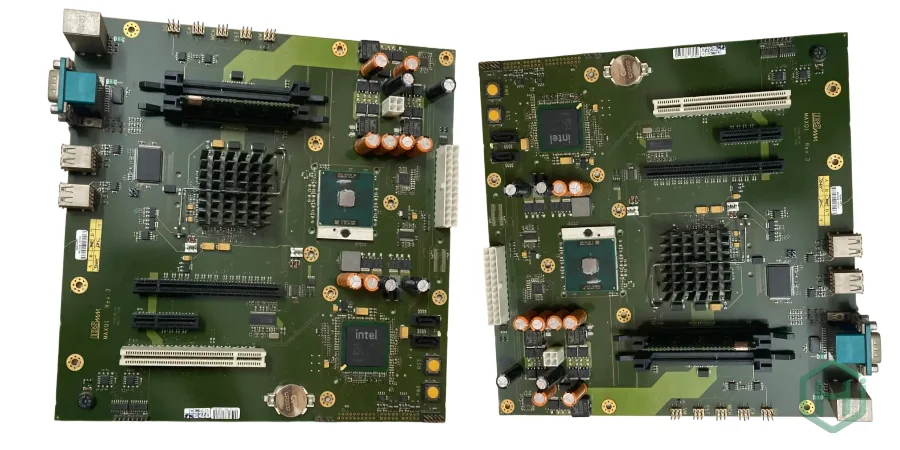
HILPCB supports PCB fabrication, component sourcing, and assembly for medical electronics, including diagnostic, monitoring, and therapeutic equipment. Material selection, traceability, production controls, and verification requirements should be defined from the device risk assessment and the applicable customer specification. HILPCB supports medical-board design and prototyping, precision validation, and sterilization-compatible development review, including biocompatibility-aware material, process and coating selection and material, test and process records. These services address device-defined risks; they do not certify a finished medical device or establish patient-contact compatibility without the required material and device evidence.
Achieving Biocompatibility for Patient-Contacting Medical Devices
Biological evaluation under the ISO 10993 series is risk-based and depends on the finished device, the nature and duration of patient contact, and potential exposure. A PCB enclosed within equipment is not automatically a patient-contacting material; a patient-contacting or implantable design needs evaluation of all relevant finished-device materials and manufacturing residues.
For projects with relevant patient-contact risks, PCB manufacturing controls should support the device manufacturer’s biological evaluation plan; they cannot establish biocompatibility of the finished device on their own.
Key Biocompatibility Management Techniques
- Clean Manufacturing Environment: Controlled environments preventing particulate and chemical contamination during fabrication maintain material biocompatibility for high reliability medical PCB applications.
- Process Chemical Control: Using biocompatibility-compatible chemicals during fabrication and cleaning processes prevents residues that could cause adverse biological responses in medical PCB manufacturer production.
- Material Selection and Documentation: Record laminate, solder mask, finish, and processing materials to support a risk-based ISO 10993 biological evaluation when the completed device has relevant patient contact.
- Coating Selection: Where coatings may contact the patient, assess the finished coating and its processing residues under the device-specific biological evaluation. USP Class VI data alone does not establish ISO 10993 compliance.
- Cleaning Validation: Validated cleaning processes removing manufacturing residues without introducing biocompatibility concerns for medical multilayer PCB assemblies.
- Traceability and Lot Control: Complete material lot traceability enabling correlation with biocompatibility testing and supporting device history files for ISO certified medical PCB regulatory compliance.
Biocompatibility Documentation
Material declarations, process records, and available supplier test data can support a customer’s biological evaluation. Device-specific ISO 10993 testing and regulatory conclusions remain the responsibility of the finished-device manufacturer.
Managing Sterilization Resistance for Medical Device Manufacturing
Some reusable instruments and sterile single-use devices must tolerate a validated sterilization process. Steam, ethylene oxide, radiation, and vaporized hydrogen peroxide impose different risks; many PCB assemblies are sealed away from the sterilization medium or are not sterilized at all.
If an assembled board will be directly exposed to a sterilization process, evaluate materials, components, joints, coating, and enclosure as a system and verify compatibility against the specified cycle.
Key Sterilization Resistance Techniques
- Thermal Compatibility: A high-Tg laminate may improve thermal margin, but Tg alone does not qualify an assembled PCB for 134°C steam cycles; test moisture uptake, delamination, solder joints, and component ratings.
- Radiation Compatibility: For gamma-sterilized products, assess dose and cumulative exposure (often expressed in kGy) against the particular polymer, electronic component, and device specification; do not assume an unqualified board withstands a nominal dose range.
- Chemical Resistance Validation: Material compatibility with EtO and hydrogen peroxide sterilization agents prevents degradation during repeated sterilization cycles for medical multilayer PCB designs.
- Solder Joint Reliability: Robust solder joint design and validated assembly processes ensure interconnection integrity surviving thermal cycling from repeated autoclaving in medical PCB assembly service production.
- Seal Integrity Maintenance: Careful conformal coating and potting material selection ensures environmental seals survive sterilization without delamination or cracking for PCB for diagnostic equipment.
- Cycle Qualification: Test the required number of sterilization cycles and acceptance criteria specified by the device manufacturer; an arbitrary 100-cycle target is not universally applicable.
Sterilization Validation
Accelerated sterilization cycling combined with electrical, mechanical, and biocompatibility testing validates device performance after sterilization exposure. HILPCB's medical PCB manufacturer processes support customer validation programs providing test reports for regulatory submissions and quality documentation.
Ensuring Signal Integrity for Medical Imaging and Monitoring Systems
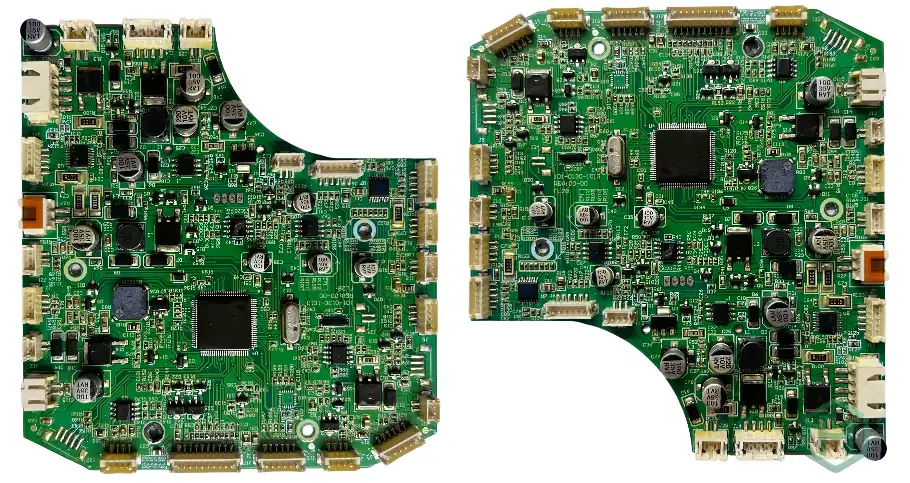
Medical diagnostic and monitoring equipment requires precise signal acquisition, processing, and display—from ECG waveforms detecting cardiac abnormalities to MRI gradient coils generating magnetic field precision to ultrasound transducer arrays resolving tissue structures. Signal integrity determines diagnostic accuracy and clinical utility demanding rigorous PCB engineering.
At HILPCB, our medical PCB design service implements comprehensive signal integrity optimization ensuring clean signal paths for PCB for diagnostic equipment and patient monitoring applications.
Key Medical Signal Integrity Techniques
- Low-Noise Analog Design: Careful ground plane design, power supply filtering, and analog-digital isolation minimize noise floor for sensitive bio-signal acquisition in high precision medical PCB designs.
- Shielding and Guard Ring Implementation: Guarded analog traces and shielded sections protect sensitive signals from digital switching noise for medical multilayer PCB mixed-signal designs.
- Impedance Control: Match each high-speed interface’s specified single-ended or differential impedance, stack-up, and loss budget; 50 Ω single-ended and 100 Ω differential are common examples, not universal medical-interface requirements.
- Thermal Noise Minimization: Component selection and layout optimization reducing thermal noise in amplifier and ADC stages critical for high reliability medical PCB measurement accuracy.
- Power Integrity Engineering: Clean, stable power delivery with extensive decoupling prevents supply-induced artifacts in sensitive measurement circuits for custom medical PCB solutions.
- EMC Design: IEC 60601-1-2 is an equipment-level EMC collateral standard where applicable; PCB filtering, layout, grounding, and shielding contribute to, but do not independently establish, finished-equipment compliance.
Signal Quality Validation
Through signal-to-noise ratio measurement, frequency response characterization, and system-level performance testing, HILPCB validates signal integrity supporting clinical performance requirements. Our medical PCB manufacturer expertise ensures designs meet medical device specifications for diagnostic accuracy and patient safety.
Implementing ISO 13485 Quality Management for Medical Device Production
Medical device regulatory requirements demand quality management systems specifically designed for medical manufacturing—beyond general ISO 9001 standards. ISO 13485 certification demonstrates systematic controls, risk management, and documentation practices meeting medical device OEM expectations and regulatory authority requirements.
Supplier process controls, documented traceability, and the quality-management system specified in the contract support consistent medical PCB production. An ISO 13485 certificate should be asserted only after verifying the exact facility, validity dates, and scope.
Key ISO 13485 Quality Elements
- Design Control and Documentation: Formal design control procedures including design input/output documentation, verification, validation, and design transfer supporting medical PCB design service quality.
- Risk Management Integration: ISO 14971 risk analysis throughout design, manufacturing, and post-market phases identifying and mitigating potential failure modes for high reliability medical PCB safety.
- Process Validation: Validated manufacturing processes with documented evidence of consistent output quality ensuring medical PCB assembly service reliability, including SPI, AOI, and X-ray inspection for medical PCBs on assembled boards.
- Traceability and Device History Records: Complete traceability from raw materials through finished products supporting device history files and complaint investigations for medical multilayer PCB accountability.
- Supplier Management and Qualification: Rigorous supplier qualification, monitoring, and control ensuring material and component quality for medical equipment PCB supplier integrity.
- Corrective and Preventive Actions (CAPA): Systematic problem-solving and prevention systems supporting continuous improvement and regulatory compliance for medical PCB manufacturer operations.
Regulatory Documentation Support
Depending on the contracted manufacturing scope, the supplier may provide lot records, material certificates, assembly travelers, inspection reports, and process validation evidence for the device manufacturer’s technical documentation. The customer maintains the applicable finished-device design and regulatory records.
Enabling Cost-Effective Medical PCB Manufacturing
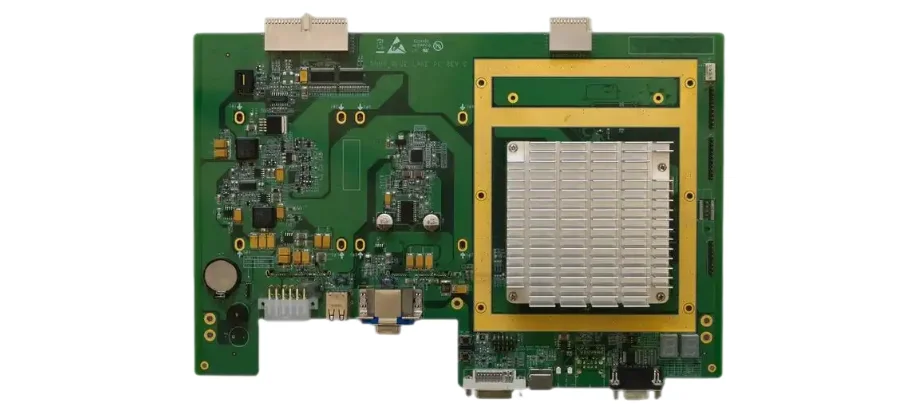
While medical reliability and regulatory requirements are demanding, controlling costs remains important for competitive medical device pricing and healthcare cost containment. Professional medical PCB suppliers help customers optimize value through design collaboration and manufacturing efficiency while maintaining quality and regulatory compliance.
At HILPCB, cost optimization approaches balance medical quality requirements with economic constraints supporting medical PCB OEM manufacturer partnerships in competitive healthcare markets.
Key Cost Optimization Strategies
- Design for Medical Manufacturing: Early medical PCB design service engagement identifying regulatory and reliability requirements prevents costly redesigns supporting efficient prototype to production transitions.
- Material Selection Optimization: Using appropriate medical-grade materials rather than over-specifying aerospace-grade components where clinical requirements permit reduces costs for custom medical PCB solutions.
- Process Standardization: Leveraging qualified medical manufacturing processes and validated capabilities minimizes premium processing charges for medical multilayer PCB production.
- Volume Planning: Stable production forecasts enabling material purchasing optimization and capacity planning improving economics for medical PCB manufacturer long-term production.
- Design Reuse and Platforming: Platform-based product strategies sharing validated PCB designs across device families amortizes development and validation costs for medical grade PCB supplier efficiency.
- Validation Strategy Optimization: Risk-based approach to validation testing focusing resources on critical parameters while using appropriate sampling for non-critical attributes in medical PCB assembly service quality control.
Total Cost of Ownership Value
Beyond piece price, HILPCB's ISO certified medical PCB quality delivers value through field reliability (minimizing recalls and complaint investigations), consistent quality (reducing incoming inspection), and responsive support (accelerating issue resolution). These factors optimize total cost of ownership for PCB for healthcare electronics requiring long-term reliability and regulatory compliance.
Accelerating Medical Device Development with Prototype Services
Medical device development requires hardware validation across performance, safety, biocompatibility, and clinical effectiveness before regulatory clearance. Traditional medical PCB lead times create bottlenecks delaying validation milestones and extending already lengthy medical device development cycles.
At HILPCB, medical PCB prototype service delivers functional boards in 7–10 days with medical-qualified processes enabling rapid validation for PCB for medical devices development programs.
Key Rapid Medical Prototyping Capabilities
- Medical Process Fidelity: Prototype fabrication using same materials, processes, and quality controls as production ensures validation accurately predicts production performance for high reliability medical PCB development.
- Design Rule Verification: Expert medical DFM review identifies reliability risks, regulatory concerns, and manufacturability issues before fabrication for medical PCB design service efficiency.
- Flexible Prototype Quantities: Low MOQ (10–25 pieces) supports medical development needs including engineering builds, verification testing, validation testing, and clinical evaluation units.
- Material Documentation: Prototype builds include material certifications and biocompatibility documentation supporting early regulatory planning for medical grade PCB supplier compliance.
- Assembly and Testing Integration: Combined medical PCB assembly service with fabrication delivers tested prototypes supporting performance verification and design validation for PCB for diagnostic equipment development.
- Traceability Implementation: Even prototype builds maintain lot traceability and documentation practices aligning with medical device requirements for ISO certified medical PCB quality.
Development Velocity for Medical Programs
Rapid prototyping particularly benefits medical device programs where lengthy validation and regulatory processes create schedule pressure. HILPCB's medical PCB manufacturer responsiveness enables multiple design iterations supporting design verification and validation activities within medical program timelines for PCB for healthcare electronics and therapeutic devices.
Medical PCB Solutions Across Healthcare Applications
Modern healthcare integrates electronics throughout diagnostic, therapeutic, monitoring, and surgical systems. Each application domain presents unique requirements demanding specialized PCB for medical devices engineering, validation, and regulatory compliance.
Diagnostic and Imaging Systems
- Ultrasound Systems: Medical multilayer PCB for transducer arrays, beamforming circuits, and image processing requiring high-density interconnects and HDI PCB technology for miniaturization.
- CT and MRI Systems: PCB for diagnostic equipment managing high-power gradient drivers, RF coils, and signal acquisition with electromagnetic shielding and thermal management for high-performance imaging.
- Laboratory Analyzers: High precision medical PCB for clinical chemistry, hematology, and molecular diagnostics requiring measurement accuracy, contamination prevention, and regulatory compliance.
- Point-of-Care Testing: Custom medical PCB solutions for portable diagnostics requiring low power, connectivity, and user-friendly operation in diverse care settings.
Patient Monitoring and Life Support
- ECG Monitors: Medical grade PCB supplier boards for cardiac monitoring requiring low-noise analog design, safety isolation, and alarm reliability for patient safety.
- Pulse Oximeters: PCB for healthcare electronics processing optical signals for oxygen saturation measurement requiring precision analog and EMI immunity in clinical environments.
- Ventilators: High reliability medical PCB for respiratory support requiring redundancy, real-time control, and fail-safe operation supporting life-sustaining functions.
- Infusion Pumps: Medical PCB assembly service for drug delivery requiring dosing accuracy, safety interlocks, and alarm systems preventing medication errors.
Implantable and Wearable Devices
- Implantable Devices: Such projects require specialized component, materials, packaging, longevity, and regulatory controls beyond ordinary medical PCB production; acceptance requires project-specific qualification.
- Neurostimulators: PCB for medical devices requiring flex PCB or rigid-flex PCB technology conforming to anatomical spaces for pain management or movement disorder therapy.
- Continuous Glucose Monitors: Medical equipment PCB supplier boards for diabetes management requiring biocompatibility, low power, and wireless connectivity for patient convenience.
Conclusion
Whether you're developing PCB for diagnostic equipment, implantable devices, PCB for healthcare electronics, or therapeutic systems, HILPCB's medical PCB manufacturer capabilities and quality systems provide the reliability and documentation your medical device programs demand. As a leading medical PCB OEM manufacturer serving global medical device supply chains, we deliver PCB for medical devices with high reliability medical PCB validation, medical multilayer PCB complexity, high precision medical PCB quality, and medical PCB design service accelerating your development while ensuring regulatory compliance.
Contact us for medical PCB prototype service, custom medical PCB solutions, or volume medical PCB assembly service—delivered with ISO 13485 quality management and medical device engineering expertise that enable your healthcare electronics success.