
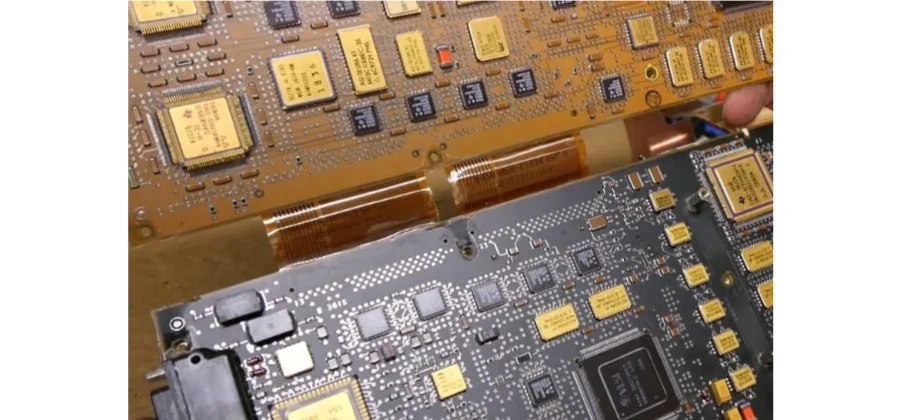
A board order needs an approved construction, manufacturing route, acceptance criteria, and evidence of release. Application labels such as “military PCB” or “missile PCB” do not identify a workmanship class, supplier qualification, or a complete equipment approval. A buyer should resolve those requirements in the drawing, purchase specification, and quality agreement.
HILPCB offers compatible PCB fabrication, SMT/THT assembly, approved sourcing, programming, defined electrical or functional tests, and integration services. Start with the actual manufacturing package and the required supplier scope so quotation can identify the route, records, and open issues before production.
Define the Board and Assembly Procurement Scope
Separate the deliverables being purchased:
- Bare boards: Released fabrication data, stackup, drill/outline, material grade, copper, finish, dimensions, and specified inspection or electrical-test evidence
- Populated assemblies: BOM/AVL, placement data, drawings, polarity references, component handling, approved assembly process, programming, and accessible electrical or functional test requirements
- Electromechanical integration: Enclosure, harnesses, connectors, thermal interfaces, fasteners, labels, and the agreed complete-unit checks
- Qualification evidence: The applicable approval or qualification, responsible organization, covered site/process, test specimen, configuration, method, and acceptance criteria
An equipment requirement should be traceable to its allocated drawing or acceptance document. A bare-board electrical test, an assembly inspection result, and an equipment qualification report answer different questions.
Material Identity and Change Control
Material selection becomes a procurement requirement when the released drawing identifies what production may use. Preserve the approved material and construction through purchasing, fabrication, assembly, and repeat orders.
Dielectric and Construction Records
- Specify the exact laminate or approved material family, construction, thickness, copper, finish, and required supplier documents
- Record the source and conditions for any material property used in the approved design; values from different grades or measurement methods are not interchangeable
- Identify substitution authority and any required engineering review, customer notification, or requalification before a change enters production
High-frequency PCB options include reviewed RF and hybrid material constructions. The quotation should identify the actual material and manufacturing scope, rather than applying one dissipation factor or frequency rating to every board.
Fabrication and Assembly Records
- Link released fabrication and assembly revisions to the work order and specified material or component lots
- Define which coupons, selected sections, dimensional measurements, or electrical results are required, with sample identity and acceptance limits
- Retain process changes, deviations, approved concessions, rework disposition, and retest status with the release record
A record is useful when it can identify the affected build and support an investigation. More collected data does not help if the lot, revision, test method, or disposition cannot be recovered.
Coating, Encapsulation, and Special Processing
If the drawing calls for a coating, encapsulant, or another special process, identify the exact material, process specification, applicable qualification evidence, keepouts, inspection, and repair restrictions. Assign the process provider and acceptance responsibility. A coating label or material-family name does not establish the finished assembly's environmental qualification.
Distinguish Standards, Qualification, and Order Acceptance
Use each document for its actual scope:
- MIL-PRF-31032: The DLA specification record describes printed-board performance and verification requirements with a manufacturer qualification framework. If required by the order, verify the relevant qualification and covered manufacturing route through the official listing and purchase requirements.
- IPC fabrication requirements: Identify the applicable document, revision, class, addendum, and drawing exceptions. A workmanship or performance class is not an organization-wide certification for every product.
- AS9100/9100-series QMS: IAQG describes 9100 as quality-management requirements for aviation, space, and defense organizations. Check the certificate's entity, site, scope, and validity when that qualification is required; it does not certify each board design.
- Equipment environmental or EMC requirements: The responsible equipment specification determines the applicable methods, configuration, acceptance, and report package. Board workmanship evidence alone does not replace that evaluation.
The DLA qualification listing provides a route to the current MIL-PRF-31032 qualification information. Do not infer a supplier's status from a blog, a standards logo, or a statement that it follows “guidelines.” Resolve any mandatory qualification before placing the order.
Order acceptance should define:
- Applicable electrical-test method and limits, with units, netlist revision, and coverage identified
- Required coupon, section, dimensional, finish, cleanliness, or other measurements and their acceptance criteria
- Sampling, retest, failure disposition, and release authority
- Required certificate or report content, lot/serial linkage, retention, and delivery format
A fixed resistance number, inspection interval, or cleanliness limit without its method and contractual basis is not a complete acceptance plan. Multilayer PCB manufacturing can be quoted against the actual construction and records; required program qualifications need separate confirmation.
Materials and Environmental Evidence
FR-4, high-Tg materials, RF laminates, polyimide, ceramic, and metal-core constructions serve different board requirements. The approved grade and complete assembly determine which published material data are relevant.
Material review topics:
- RF laminates: Grade, construction, copper, finish, supplier data conditions, and allowed substitutions
- Polyimide/flex: Approved stack, coverlay and adhesive system, processing limits, packaging, and defined bend or installation requirements
- Ceramic: Ceramic grade, metallization, dimensions, attachment route, and the specified thermal or electrical evidence
- Bonding and protective materials: Exact product, storage/cure/handling conditions, process compatibility, and required qualification records
ceramic PCB options can be reviewed as a distinct manufacturing route; one ceramic's thermal conductivity is not a rating for every ceramic board or complete assembly. Generic material-family temperature extremes should not replace approved supplier data and assembly limits.
Environmental evidence should identify:
- The test method and revision, specimen construction, operating or storage state, and responsible test provider
- Mounting, interfaces, cables, and other configuration details needed to interpret the report
- The specified exposure and inspection or functional acceptance criteria
- Sample identity, observed results, deviations, failures, and any required follow-up or requalification
The supplier can build the specified specimens and provide agreed manufacturing records. The responsible equipment team determines how the resulting qualification evidence applies to its product.
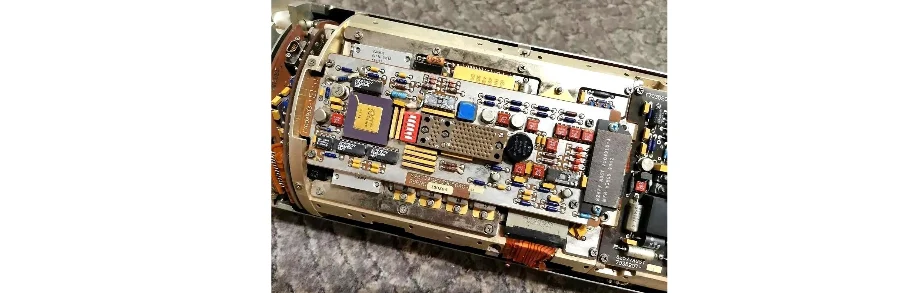
Manufacturing and Inspection for the Released Construction
HILPCB supports multilayer, HDI, RF, flex/rigid-flex, heavy-copper, and ceramic options through their compatible product routes. Review advanced features as a construction, rather than combining every published maximum.
Fabrication review covers:
- Released layer stack and approved material/copper/finish
- Via construction, drilling and registration, filled/capped vias where specified, and sequential processing when needed
- Controlled-impedance targets, tolerance, coupon, and the approved measurement method where required; HilPCB offers an agreed ±5% tolerance for eligible constructions, subject to the released stackup and acceptance plan.
- Inspection access, electrical-test data, panelization, dimensions, and required release evidence
Assembly inspection and testing have separate roles:
- SPI checks solder-paste deposits before placement/reflow
- AOI checks visible component and solder conditions; selected X-ray evaluates agreed hidden-joint locations
- ICT or flying probe checks accessible electrical features within the agreed coverage
- Functional testing checks behavior defined by the firmware, fixture, connections, loads, limits, and procedure
Our SMT assembly route includes program-specific first-article, profile, inspection, programming, test, and lot-record options. Define what is required for the actual package mix and order. No single inspection method establishes complete product reliability.
Supply and Production Support with HILPCB
HilPCB can quote qualified microvia, sequential-lamination, mixed-material and via-in-pad constructions, together with bare-board electrical, microsection, thermal-stress and network-analyzer testing. RF, thermal-cycle, accelerated-life and ESS testing, EMC/thermal engineering support, configuration and obsolescence management, and supplier-audit or authentication support are available within an agreed program scope. Existing qualified impedance options remain construction-dependent. Site qualification, ITAR/AS9100/MIL ownership and each test profile must be confirmed for the actual contract; no mission-success or lifetime guarantee is implied.
A repeatable build needs controlled source data and clear authority for changes. HILPCB's turnkey assembly service can combine fabrication, sourcing, SMT/THT, programming, and defined tests under an approved BOM/AVL and substitution process.
Procurement and release support:
- Allocate consigned, partial-turnkey, or full-turnkey sourcing and approve suppliers, alternates, date/lot restrictions, and authenticity evidence
- Define material and component identification, moisture-sensitive handling, storage, incoming checks, and exceptions
- Keep revision, programs, assembly profile, inspection/test coverage, concessions, and release records connected to the build
- Establish first-article or pilot acceptance before moving to large-volume assembly, with forecast, spares, packaging, and change-notification requirements
Additional manufacturing handoff topics:
- Material or process changes requiring engineering approval
- Component lifecycle and obsolescence review against the approved BOM
- The required record package, retention, shipment labels, and configuration identification
- Specified harness/enclosure integration and complete-unit test responsibilities
For any mandatory site qualification, regulatory handling condition, or data-access requirement, identify it before sharing production data or committing to a route. The quotation should confirm the relevant supplier scope and obligations explicitly.
Prepare a Quote for the Board and Evidence Package
Send fabrication files and drawings, stackup, BOM/AVL/CPL where applicable, quantity/build stage, approved materials and alternates, and the actual inspection/test requirements. List mandatory supplier qualifications and the evidence needed to verify their scope. Include firmware, fixtures, loads, acceptance limits, required lot/serial records, change authority, and delivery documentation.
This package lets HILPCB assess compatible fabrication, assembly, sourcing, and integration work and quote the first article, repeat build, and record deliverables. Resolve qualification and acceptance gaps before production release, then preserve the approved baseline across subsequent orders.
Common Questions
Does an aerospace or defense application label define a board's frequency range?
No. The approved equipment and board specification defines the electrical requirements. A generic application label does not establish a material, manufacturing capability, or qualification.
How should environmental requirements appear in a PCB order?
Identify the applicable specification, responsible test provider, specimen and configuration, acceptance criteria, and required reports. Separate fabrication/assembly acceptance from equipment qualification.
What is the difference between MIL-PRF-31032 and an IPC acceptance class?
MIL-PRF-31032 includes a printed-board qualification framework and performance/verification requirements. An applicable IPC document and class define their own product acceptance scope. State exactly which documents and qualifications the order requires; neither name alone replaces the drawing and quality agreement.
Is there one universal PCB qualification test list?
No. The purchase documents and applicable qualification program determine methods, sampling, acceptance, and repeat-test requirements. An assembly test or equipment report must identify the configuration to which it applies.
How is supply-chain evidence specified?
Agree approved sources, substitution authority, incoming checks, authenticity/provenance evidence, material or component lot linkage, and record retention. Request evidence for any required supplier qualification rather than inferring it from a marketing label.
Can HILPCB support development and repeat production?
HILPCB offers prototype and small-batch routes, first-article and test-record options, and reviewed repeat/volume manufacturing. Supply the released data, sourcing model, test readiness, quantity, and required evidence so the quotation can define the actual work and schedule.
What does “missile PCB” mean in procurement?
It is an application label, not a recognized PCB workmanship class or proof of supplier approval. Procurement still needs the approved manufacturing data, applicable qualifications, acceptance criteria, and release records.