HilPCB Technology Blog

Expert insights on PCB manufacturing, assembly excellence, and cutting-edge electronic technologies

Your trusted partner for professional PCB manufacturing and assembly solutions

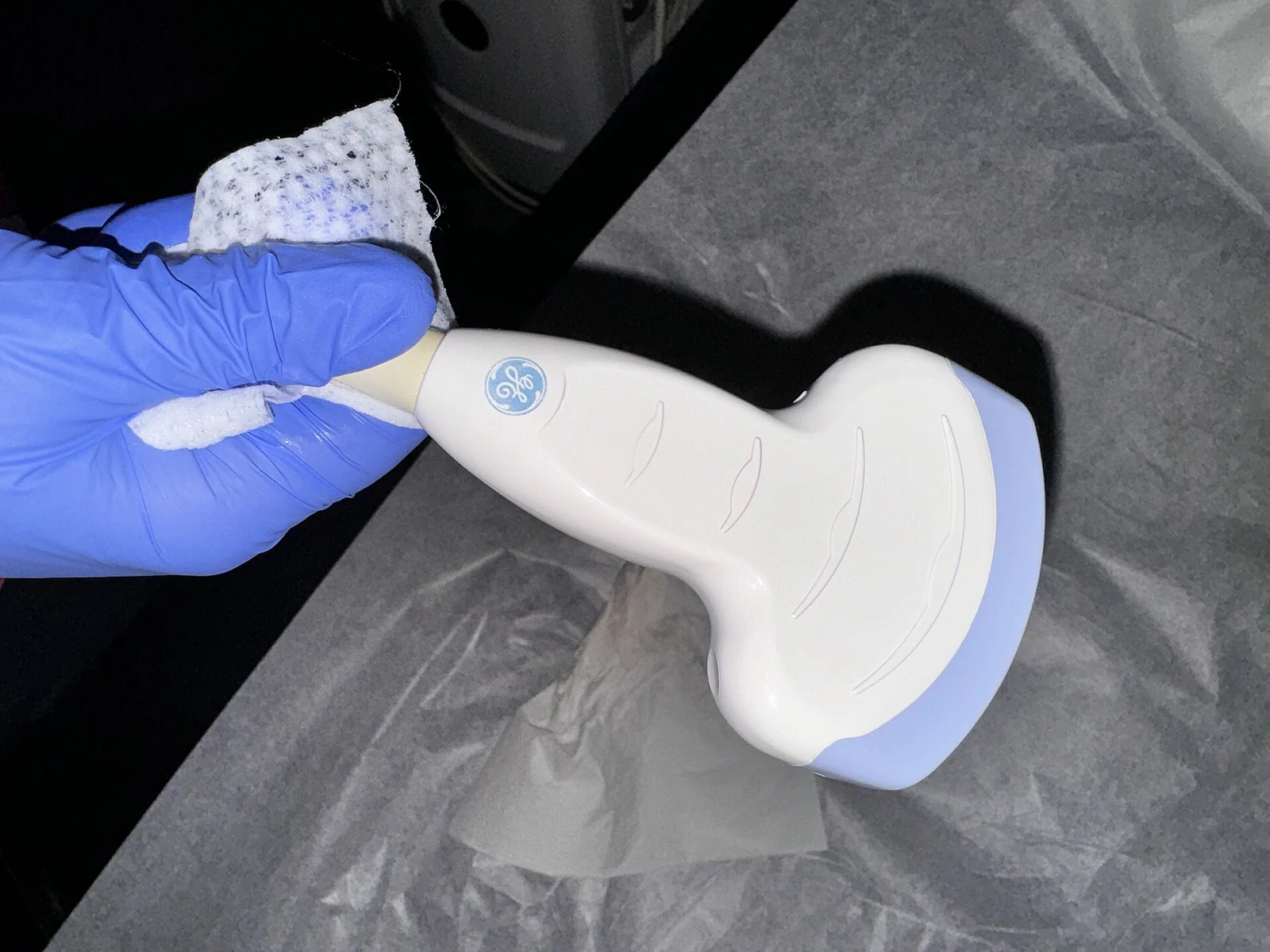
How to Choose Materials for an Ultrasound Probe PCB: What to Review First About Low-Noise Stability, Flex Life, and Cleaning Compatibility
TechnologyMay 25, 2026
Ultrasound Probe PCBMedical PCB MaterialsRigid-Flex PCB+2

How to Choose Materials for an Ultrasound Probe PCB: What to Review First About Low-Noise Stability, Flex Life, and Cleaning Compatibility

A direct answer to the structural limits, low-noise stability, rigid-flex life, cleaning compatibility, and traceability method that should be frozen first in ultrasound probe PCB material selection, helping medical-electronics teams move material risk upstream into design.

What to Review First on a Three-Phase Inverter Control PCB: How Gate Loops, Return Paths, and Test Access Should Be Defined Together
TechnologyMay 24, 2026
Three-Phase Inverter Control BoardInverter Control PCBGate Driver Layout+2

What to Review First on a Three-Phase Inverter Control PCB: How Gate Loops, Return Paths, and Test Access Should Be Defined Together

A direct answer to the zoning, drive loops, phase-current sensing, EMC return paths, and test access that should be frozen early in three-phase inverter control PCB design, helping industrial and energy projects move layout risk upstream before prototype build.

What to Review First in Servo Motor Driver PCB Layout: How Zoning, Gate Loops, and Sensing Paths Converge Together
TechnologyMay 22, 2026
Servo Motor Driver PCBMotor Driver PCBGate Driver Layout+2

What to Review First in Servo Motor Driver PCB Layout: How Zoning, Gate Loops, and Sensing Paths Converge Together

A direct answer to the first layout decisions that should be frozen in servo motor driver PCB design, including power zoning, gate-drive loops, current sensing, EMC entry control, and validation methods, so industrial drive projects can move debug risk forward into the layout stage.

Why an OSFP 800G Transceiver PCB Can Be Buildable as a Sample but Still Unstable in Production: What to Review First in Connectors, Thermal Paths, and Assembly Windows
TechnologyMay 20, 2026
OSFP 800G Transceiver PCB800G Optical Module Design112G High-Speed Channel+2

Why an OSFP 800G Transceiver PCB Can Be Buildable as a Sample but Still Unstable in Production: What to Review First in Connectors, Thermal Paths, and Assembly Windows

A direct answer to the control points that should be frozen early on an OSFP 800G transceiver PCB, including connector transitions, 112G channel budget, thermal path, management interface, and assembly consistency, helping high-speed module programs turn a usable sample into a more stable production input.

How to Design an HDI PCB Stackup: When to Use Buildup Instead of Just Adding More Conventional Layers
TechnologyMay 19, 2026
HDI Stackup DesignHDI PCBMicrovia Design+2

How to Design an HDI PCB Stackup: When to Use Buildup Instead of Just Adding More Conventional Layers

A direct answer to the first decisions that should be frozen in HDI PCB stackup design, including entry criteria, materials and lamination logic, microvia strategy, impedance geometry, and assembly validation, so high-density interconnect projects stay within a manufacturable level of complexity.

What to Review First in HBM3 Interposer Validation: How RDL, PI/SI, Warpage, and Test Vehicles Converge Together
TechnologyMay 18, 2026
HBM3 Interposer ValidationAdvanced PackagingInterposer Validation+2

What to Review First in HBM3 Interposer Validation: How RDL, PI/SI, Warpage, and Test Vehicles Converge Together

A direct answer to the first system assumptions that should be frozen in HBM3 interposer validation, including system budget, RDL process window, PI/SI interaction, warpage behavior, and the validation path through test vehicles, so advanced packaging signoff moves closer to manufacturable reality.

What to Review First in OBC PCB Design: How Insulation Zoning, Power Loops, and Thermal Paths Converge Together
TechnologyMay 17, 2026
OBC PCB DesignOn-Board Charger PCBHigh-Voltage Isolation+2

What to Review First in OBC PCB Design: How Insulation Zoning, Power Loops, and Thermal Paths Converge Together

A direct answer to the first design inputs that should be frozen in EV on-board charger OBC PCB design, including insulation boundaries, power loops, thermal paths, sensing returns, and the validation matrix, so first-build risk can be moved forward into the manufacturable stage.

What to Review First in CXL PCB Signal Integrity: How Budget, Stackup, Transition Zones, and Production Consistency Should Be Reviewed Together
TechnologyMay 16, 2026
CXL PCBCXL Signal IntegrityHigh-Speed Interconnect PCB+2

What to Review First in CXL PCB Signal Integrity: How Budget, Stackup, Transition Zones, and Production Consistency Should Be Reviewed Together

A direct answer to the budget allocation, stackup geometry, via and connector transitions, material consistency, and validation matrix that should be frozen early in CXL PCB signal integrity reviews, helping server and memory expansion programs turn a usable prototype into a more stable production input.

What to Freeze First in AI Server Backplane PCB Manufacturing: How Materials, Backdrilling, Press-Fit Hole Zones, and Lot Consistency Are Controlled Together
TechnologyMay 15, 2026
AI Server Backplane PCB ManufacturingHigh-Speed Backplane ProductionBackdrill and Stub Control+2

What to Freeze First in AI Server Backplane PCB Manufacturing: How Materials, Backdrilling, Press-Fit Hole Zones, and Lot Consistency Are Controlled Together

A direct answer to the manufacturing review items that should be frozen early in AI server backplane PCB projects, including channel budget, thick-board stackup, backdrill strategy, press-fit connector hole zones, and flatness validation, so a buildable prototype can become a more stable production input.