
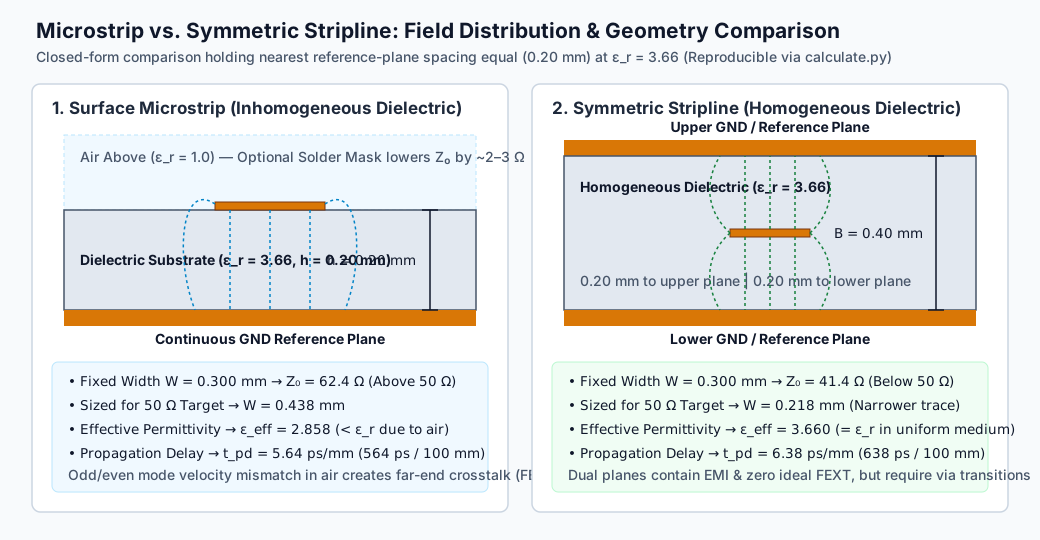
Microstrip vs Stripline: Choosing a PCB Routing Structure
Compare microstrip and stripline PCB transmission lines across impedance geometry, effective permittivity, propagation delay, far-end crosstalk (FEXT), via stubs, and layer stackup cost.
Approfondimenti esperti su produzione PCB, eccellenza nell'assemblaggio e tecnologie elettroniche all'avanguardia
Il tuo partner affidabile per soluzioni professionali di produzione e assemblaggio PCB
Compare microstrip and stripline PCB transmission lines across impedance geometry, effective permittivity, propagation delay, far-end crosstalk (FEXT), via stubs, and layer stackup cost.
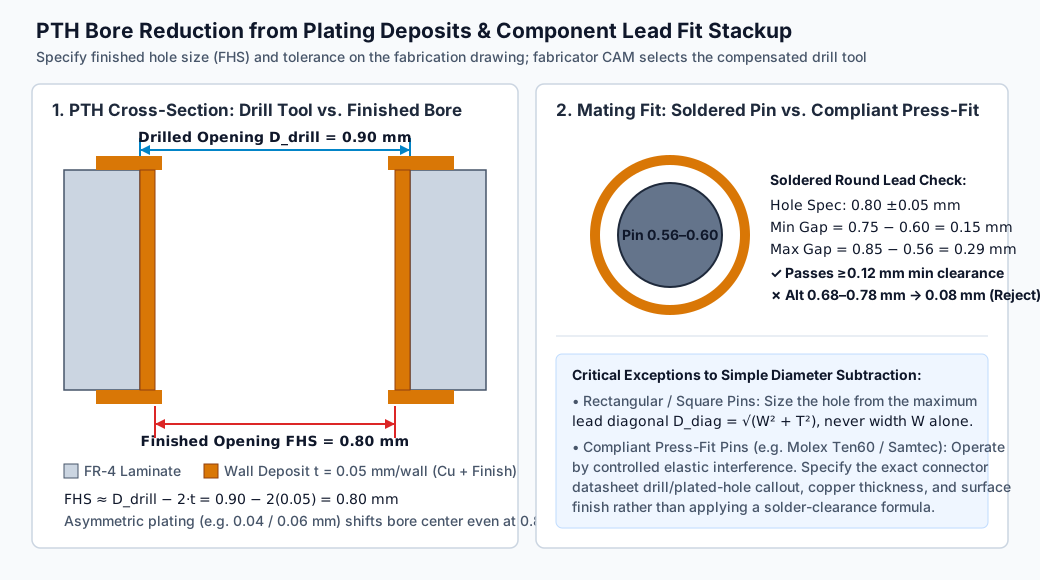
Specify finished hole size (FHS) and tolerances separately from production drill bit diameters. Calculate round-pin, rectangular-lead, and press-fit hole clearances.
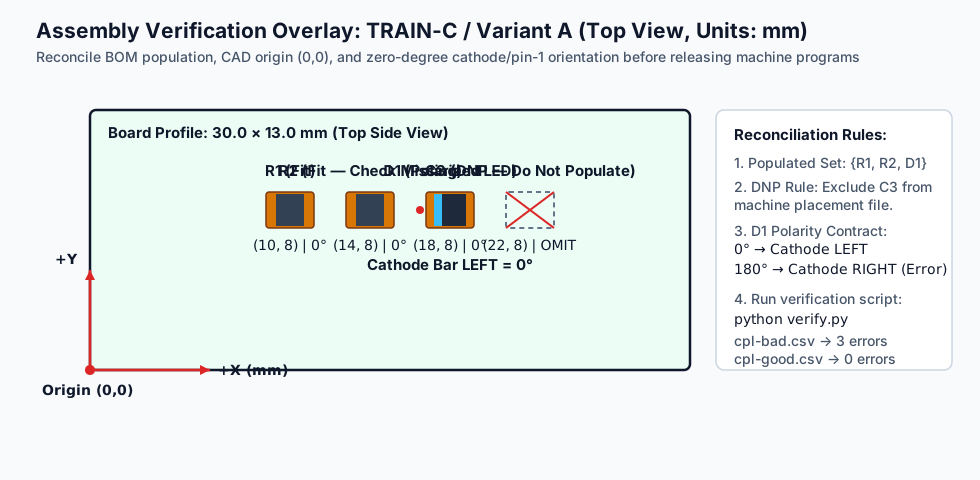
Validate PCB pick-and-place (CPL / centroid) files before SMT assembly: verify origin, body-center vs Pin-1 coordinates, zero-degree rotation, bottom-side mirroring, and BOM DNP rules.
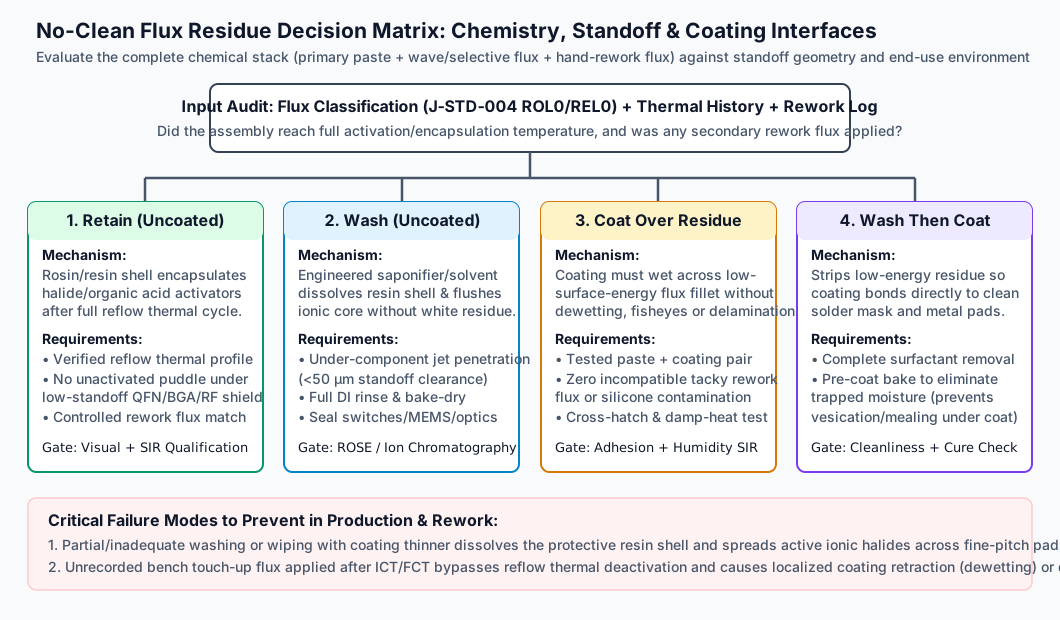
Decide when to retain no-clean flux residue, wash it, or apply conformal coating. Understand resin encapsulation physics, low-standoff QFN/BGA entrapment, and rework risks.
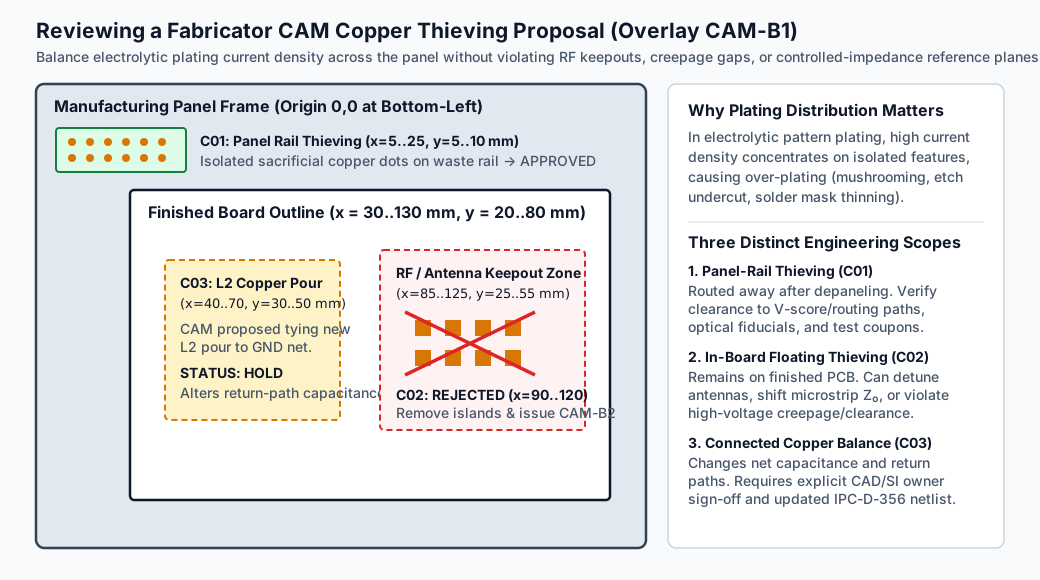
Understand the electroplating physics behind copper thieving and lamination copper balancing. Learn how to review, approve, or reject a fabricator CAM thieving overlay.
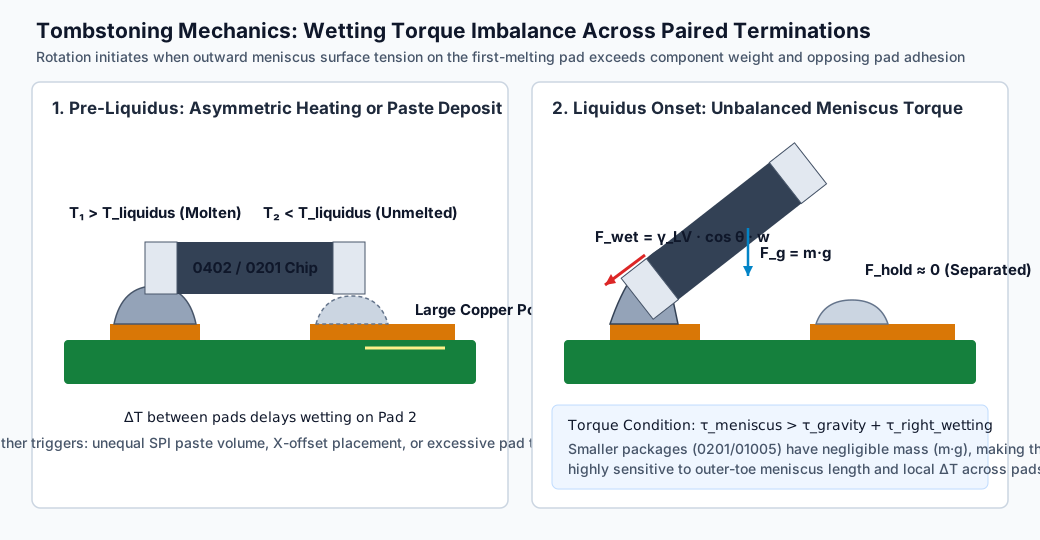
Diagnose and prevent SMT chip tombstoning (Manhattan effect) by balancing wetting torque, thermal mass, pad toe geometry, 3D SPI paste volume, and reflow soak profiles.
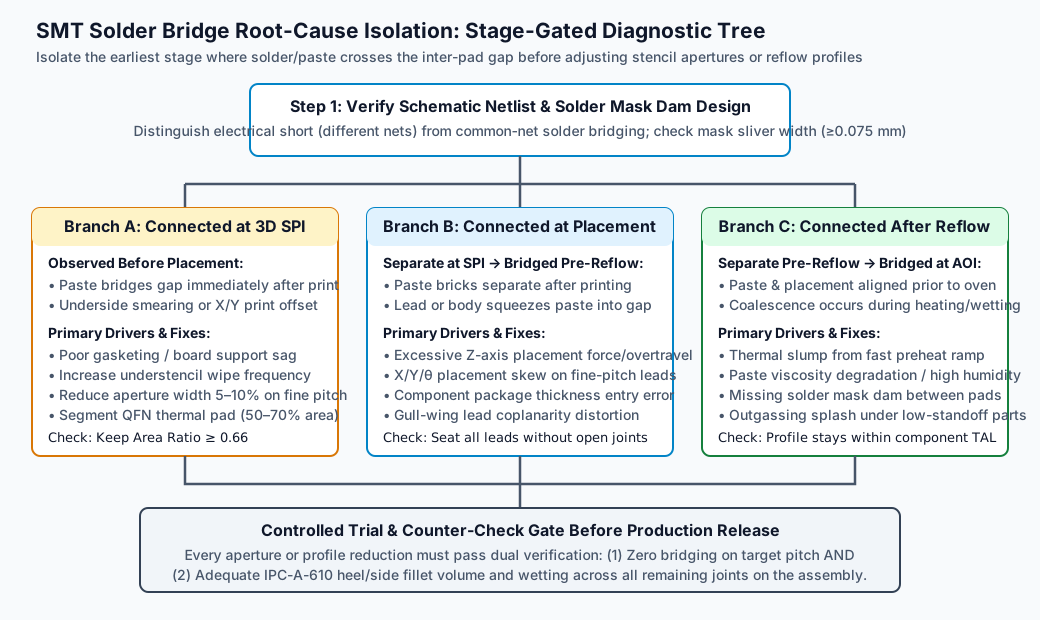
Isolate SMT solder bridging across stencil printing (3D SPI), component placement, and reflow stages. Fix fine-pitch QFP, QFN, and SOIC shorts without starving neighboring joints.
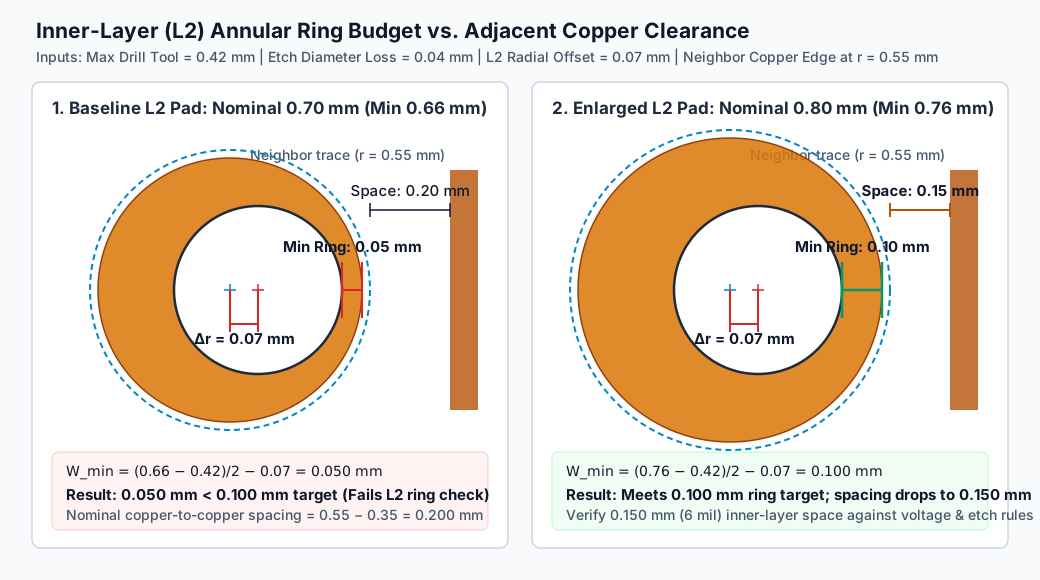
Calculate PCB annular ring margins across outer and inner layers, separate tool-size from finished-hole references, and evaluate breakout, teardrops, and clearance tradeoffs.
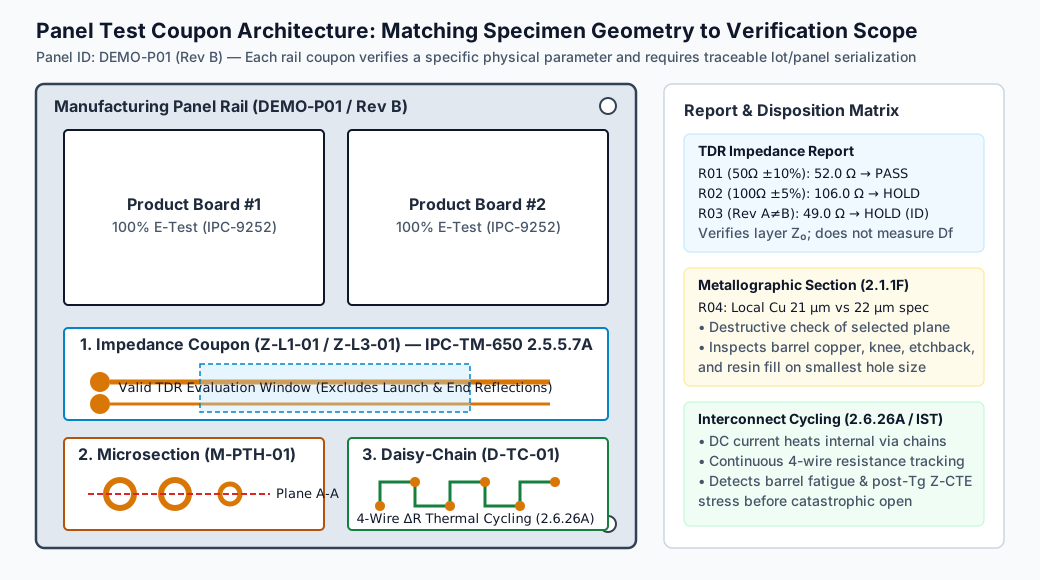
Specify PCB test coupons for controlled impedance (TDR), metallographic microsectioning, and daisy-chain thermal cycling. Learn how to evaluate coupon reports and disposition holds.
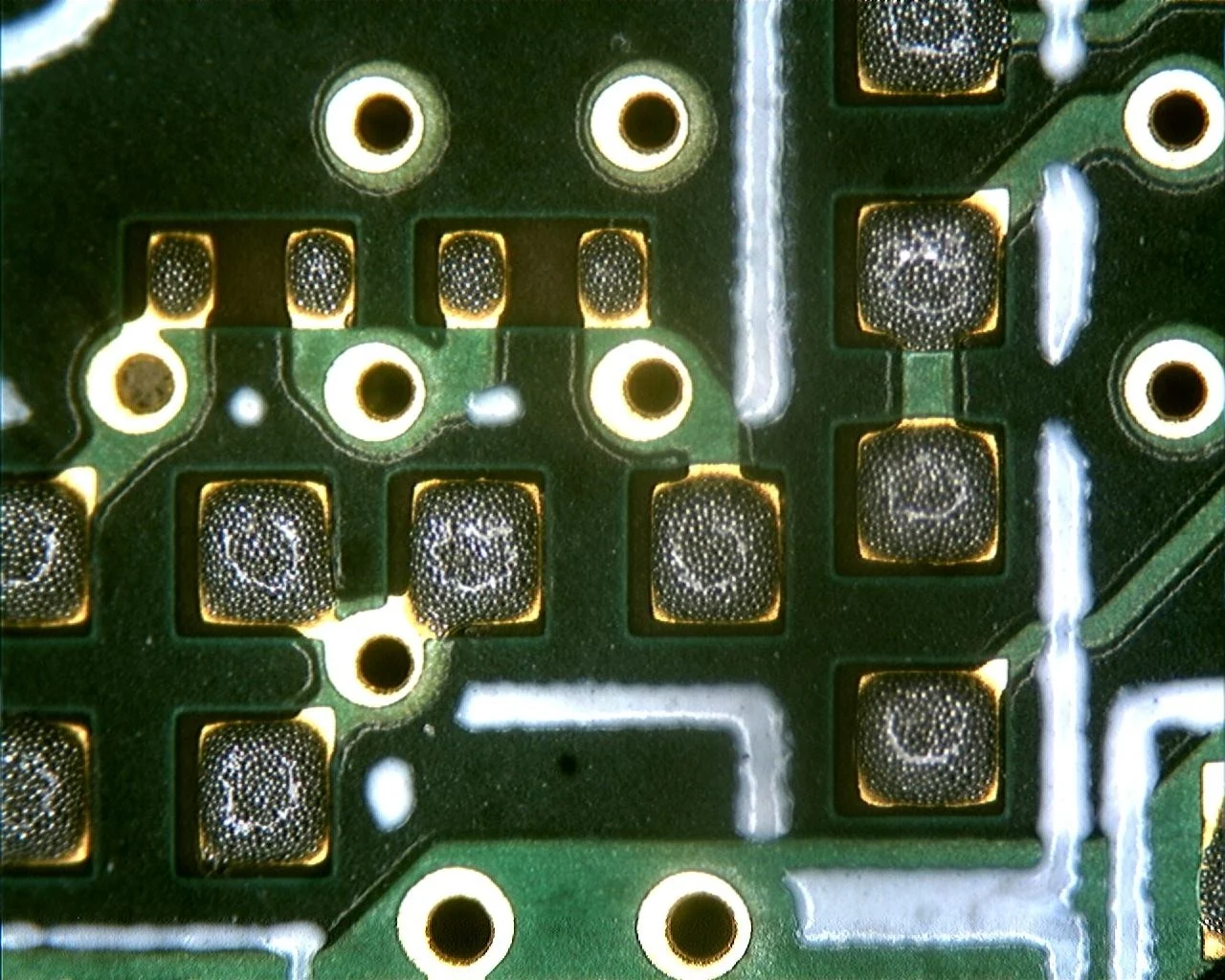
L'ispezione della pasta saldante (SPI) verifica i depositi serigrafici prima del montaggio. Definisci i limiti di volume e convalida il rilascio.
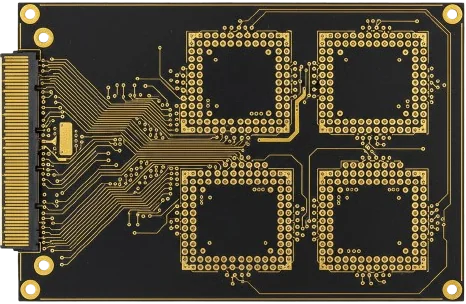
La scelta tra Megtron 6 e Megtron 7 dipende da laminato, struttura del vetro, rame e budget del canale. Confrontate Dk e Df mantenendo le rispettive condizioni di prova.

Il laminato rivestito di rame (CCL) unisce lamina di rame e substrato isolante. Guida alla scelta delle classi di materiale, parametri termici Tg/Td e corretta specifica a disegno.