

Headphone electronics depend on the product architecture. Passive wired headphones may need little or no active circuitry; USB, wireless and ANC models can add audio conversion, radio, processing, battery management and controls. For an active headphones PCB, define those functions before choosing the stackup, components and assembly route. Compact wireless designs must manage RF coupling alongside sensitive audio and microphone paths.
For HILPCB fabrication and assembly review, supply the actual board and component requirements. True wireless earbuds, over-ear headphones and gaming headsets differ in power, radio, microphone, connector and mechanical needs; a category name alone does not establish a qualified manufacturing process or customer track record.
Headphones PCB Structure and Functional Blocks
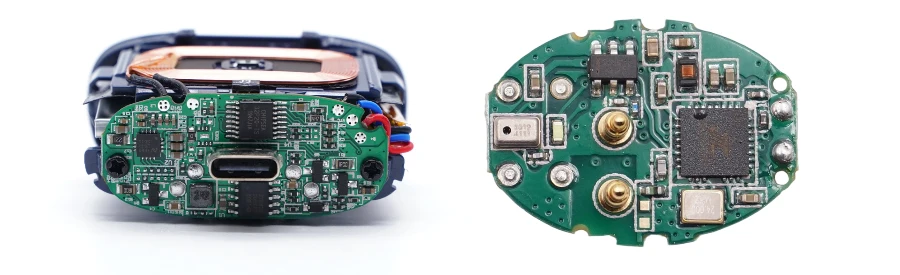
An active wireless design may combine the following blocks, some integrated into the same SoC:
- Bluetooth SoC or module with the required audio profile, codecs and external antenna/matching network where applicable
- Digital Signal Processors (DSP) for ANC, EQ, and spatial audio
- Audio DACs and ADCs with low-noise amplifier stages
- Battery charging/protection and power-path circuits matched to the cell and input; a USB-C or other connector alone does not define the charging protocol
- Capacitive touch sensors, buttons, and LED control systems
Select the layer count from package escape, return paths, power and mechanical space; a multilayer PCB does not inherently produce optimal RF performance. Route specified RF feeds with the device/module reference geometry and include the antenna, housing, battery and user in tuning tests. Wi-Fi is optional. Flexible PCB interconnects can serve a headband or moving joint when the bend construction and life requirements justify them.
ANC, sensors and voice functions need the processing, microphone interfaces and memory actually required by the selected implementation; they may share an SoC rather than require separate controllers. Bluetooth LE Audio uses a distinct audio architecture from Classic Audio. A Bluetooth version number alone does not establish supported audio profiles, codecs, latency or interoperability.
Manufacturing Capabilities for Audio Applications
Review the actual fabrication and assembly construction for the submitted audio board:
- Substrate: compare actual dielectric/loss data, geometry and antenna requirements; a suitable FR-4 build may be adequate without a specialized RF laminate
- Finish options: ENIG/OSP for fine-pitch BGA and antenna connections
- Package feasibility: provide MPNs, pitch, passive dimensions, stencil needs and neighboring parts; fine-pitch capability must be qualified for that combination
- Impedance tolerance: Reviewed ±5% RF transmission-line and differential-pair options are available for eligible builds; confirm the target and construction for the project.
HILPCB’s SMT lines support qualified ultra-miniaturized builds integrating Bluetooth SoCs, MEMS microphones and sensor arrays, including eligible 01005 placement. For SMT assembly, define component handling, measured reflow limits and inspection access, especially for MEMS microphone ports and small connectors. A turnkey assembly order can include specified sourcing, programming and tests; agree the firmware, fixtures, measured limits and delivered state. Acoustic/system qualification is a separate scope that needs suitable equipment and responsibility.
Hearing aids and industrial or aviation communication equipment can impose additional intended-use, environmental and regulatory requirements; a consumer-headset process does not automatically qualify those products.
Power, Signal, and Thermal Management Considerations
High-performance headphones PCBs must optimize power consumption while maintaining excellent audio quality and reliable wireless connectivity.
- RF isolation between Bluetooth/Wi-Fi and sensitive audio circuits
- Battery budgeting from measured operating states, radio/ANC workload, conversion losses and usable cell capacity
- Microphone supply/return control, port cleanliness and acoustic placement; assess shielding without blocking or changing the acoustic path
- Thermal paths and charge-current limits for the cell, charger and amplifiers inside the actual enclosure; consider high thermal PCB constructions only where the thermal model justifies them
For processors with fast interfaces, use high-speed PCB layout rules tied to the device and interconnect. ANC also depends on microphone/driver placement, acoustic transfer paths, processing delay and feedback stability; electrical workmanship alone does not establish cancellation performance.
Peripheral Integration and Use Cases
Headphones PCBs serve as the foundation for diverse audio product families, including:
- True Wireless Earbuds with Charging Cases
- Over-Ear and On-Ear Wireless Headphones
- Gaming Headsets with RGB Lighting and Microphones
- Professional Studio Monitors and DJ Headphones
- Sports and Fitness Earbuds with Health Sensors
- Hearing Aids and Assistive Listening Devices
HILPCB offers rigid-flex PCB construction for suitable headphone form factors. These applications have different interfaces and mechanical constraints, and some have no radio; compare a rigid board and cable/flex alternative, including bend radius, strain, connector space and actual life-cycle testing.
Supporting Components and Ecosystem Solutions
An integration package may include the following items. Agree which are customer-supplied, assembled, developed or tested under the actual order:
Audio Components:
- Premium audio codecs and amplifier ICs
- MEMS microphones for voice and ANC applications
- Bluetooth and Wi-Fi modules with module-approved antenna designs where certification conditions and integration permit
- Lithium battery cells with protection circuits
Mechanical Integration:
- Custom flex cables for driver connections
- Antenna integration and tuning services
- Charging case electronics and magnetic connectors
- Environmental sealing and sweat-resistance solutions
Software and Test Responsibilities:
- Firmware/stack licenses, programming images and audio-processing configuration, with development responsibility assigned
- Mobile control protocol and application/version ownership where provided
- Authenticated update and recovery behavior where OTA is included
- Acoustic testing and certification support only where defined in the project scope
HILPCB offers project-defined engineering options for Bluetooth-stack and audio-processing firmware development, mobile control-application development and OTA update implementation. Integration, programming, licenses, intended use and test responsibilities remain those agreed for the specific program.
Why Partner with HILPCB
HILPCB supports headphone, earbud, gaming, studio, planar and professional-audio builds, including qualified aviation, hearing and industrial communication applications. Engineering options include antenna optimization, thermal modeling, acoustic design, firmware or Bluetooth-stack integration, programming, wireless range/latency/interference tests, Bluetooth pre-compliance and agreed THD+N or ANC validation. Prototype and volume support depends on the selected profile, licenses, components, acoustic fixture and product qualification plan.
Compare the supplier against the actual board construction, package mix, workmanship requirements and required test evidence. Request comparable build records where relevant and distinguish bare-board, assembly, RF, acoustic and finished-product acceptance.
For HILPCB, agree the supplying site, applicable QMS certificate and scope, approved BOM/layout, RF constraints, programming and inspection records. Define any antenna, thermal or acoustic engineering deliverables separately. Record changes to microphones, drivers, housing, antenna or firmware that require renewed system measurements.
Frequently Asked Questions About Headphones PCB Design and Manufacturing
What are the main challenges in wireless headphone PCB layout?
Review antenna behavior in the assembled housing and near the user, radio/switching coupling into audio and microphone paths, usable battery energy, connector space and thermal limits. Keep continuous signal returns and compact power loops. For ANC, include the microphone, driver and acoustic path in the validation, not only the PCB.
How should Bluetooth connectivity and audio performance be tested?
Specify the actual profile/codec, peers, traffic and operating modes. Measure packet/link behavior, range in a defined setup, end-to-end latency, audio noise/distortion and relevant interference cases. A matched RF coupon or module approval does not establish all of those results; antenna integration must stay within the applicable approval conditions.
What manufacturing processes are needed for earbuds and ANC headphones?
Choose printing, placement, soldering and inspection from the actual packages and assembly geometry. Earbuds may benefit from fine-pitch or rigid-flex construction, but neither is universal. Protect microphone ports and qualify thermal exposure. Cancellation and THD+N tests need defined acoustic fixtures, stimulus, settings and acceptance limits in addition to workmanship inspection.
What differentiates a headphone PCB from other compact boards?
An active headphone board combines audio, power and controls, with radio and ANC where included, inside a mechanically and acoustically constrained enclosure. The required layers and rigid/flex structure follow that architecture. Passive wired models may have minimal electronics, while wireless earbuds need separate review of each bud, the charging case and their interfaces.
Can the same PCB process serve consumer, professional and planar headphones?
Review each build and intended use. Planar magnetic describes the transducer, not a required PCB architecture; some planar headphones are passive. Gaming, broadcast, aviation and hearing-assistance products can need different radio, microphone, acoustic, environmental or regulatory evidence. Confirm the actual assembly and test scope rather than inferring qualification from the product category.